Acousto Optic Q-Switch or Passive? How to Choose for Your Pulsed Laser Design
The Q-switching technology used has a significant impact on the performance of pulsed lasers. From compact handheld devices to high-precision industrial lasers, the choice of the right Q-switch impacts pulse energy, stability, and general system reliability.
Today, two major options dominate the field: acousto-optic Q-switch and passive Q-switch. Each has its advantages in terms of control, size, cost, and integration. Understanding their operating principles and suitability for applications will ensure that you make your best choice in laser design.
Core Technology: What is an Acousto-Optic Q-Switch?
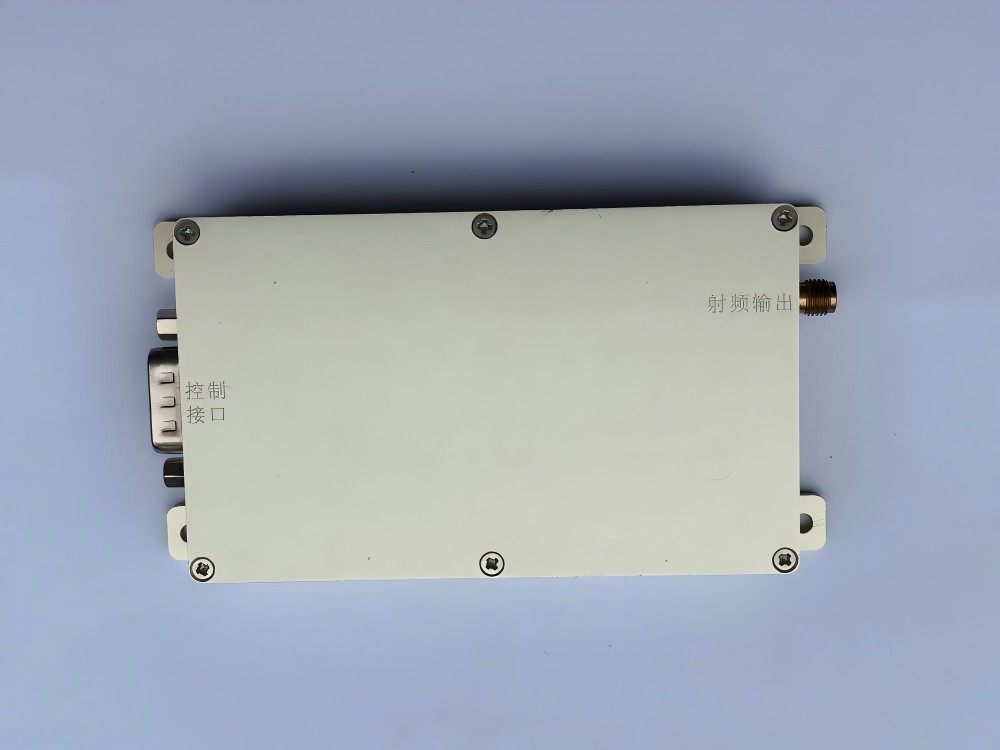
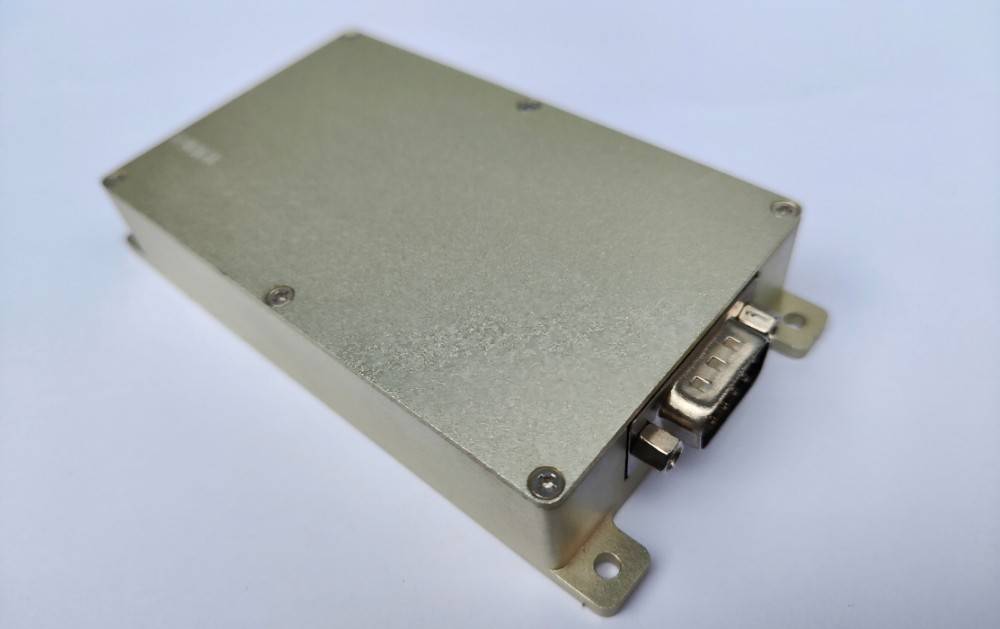
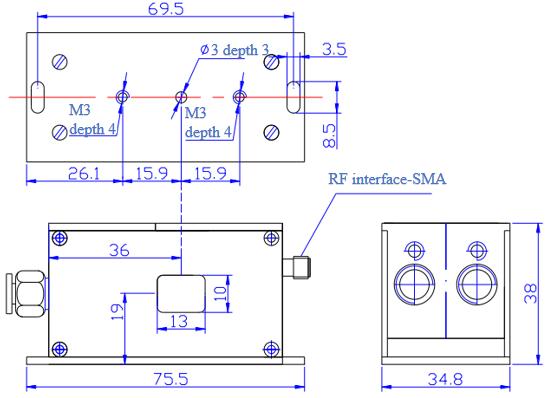
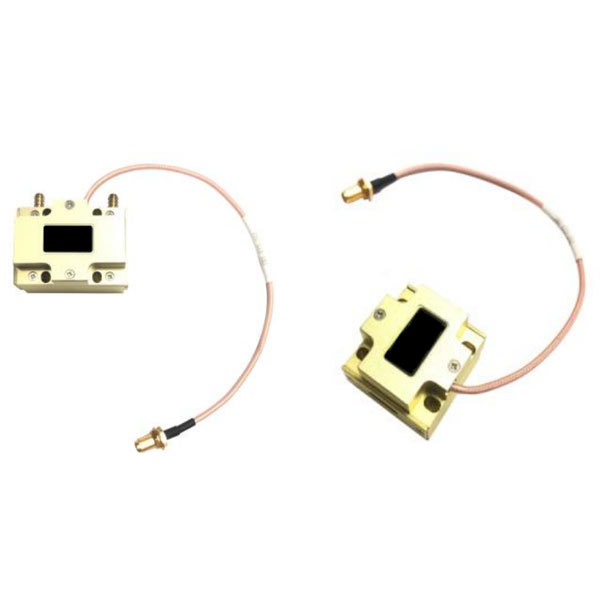
An acousto-optic Q-switch represents an active element serving to modulate the Q-factor of a laser resonator by means of the acousto-optic effect. Typically, an RF-driven crystal such as TeO₂, quartz, or fused silica generates an acoustic wave that diffracts the laser beam. The acousto-optic switch toggles this diffraction to control when the laser cavity is able to store and release energy.
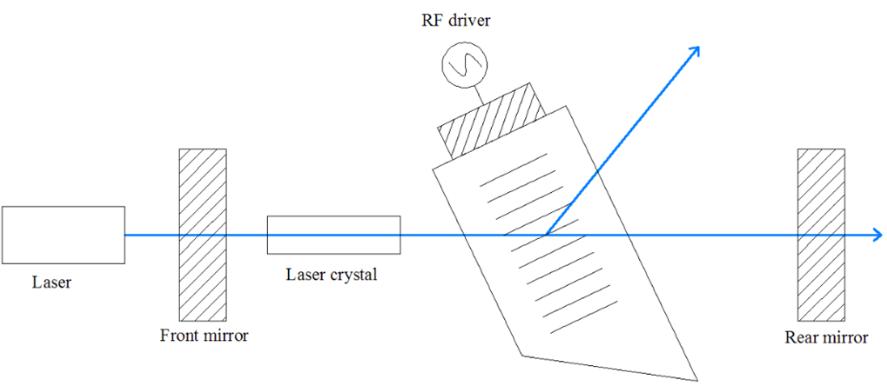
This precise modulation allows for narrow pulse widths and stable, repeatable output. Because the timing and repetition rate of pulses are controlled electronically, acousto-optic Q-switches offer excellent flexibility for dynamic operational environments. This makes them a preferred choice for demanding fields: industrial micromachining, medical laser systems, material processing, and LIDAR.
When looking at various switching technologies, acousto-optic Q-switches stand out due to their:
- Ability to optimize pulse timing with exceptional precision
- Ability to reach high frequencies
- Reliability consistency over time
- Capability of incorporation into advanced multifunctional electronic systems
The Simplicity of Passive Q-Switching: How Does It Work?
The principle of operation of a Passive Q-Switch is exquisitely simple, with no external electronics. The heart of a passive Q-switch is a saturable absorber-a material like Cr⁴⁺: YAG that acts like an “automatic” light switch inside the laser cavity.
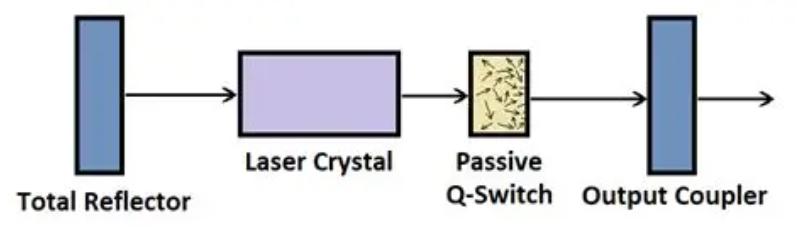
In this process, light and matter dance in a two-stage process:
- Energy Storage (Blocking): A saturable absorber behaves much like a shut gate at the time of pumping the laser, wherein it absorbs low-intensity light and prevents oscillation of the laser. This lets energy build up inside the gain medium to a high level.
- Pulse Emission (Bleaching): The stored energy reaches such a critical point that the light intensity becomes so strong it instantly “bleaches” the absorber-that is, the absorber suddenly becomes transparent, opening the gate. The stored energy explodes out of the cavity as a single, giant pulse of light.
The main advantage a Passive Q-Switch enjoys is sheer simplicity: no RF driver and complicated controls are needed. This hands-off operation, however, is its principal trade-off. The pulse repetition rate is largely fixed by the laser design and pump power, while the exact moment in time each pulse forms inherently contains timing jitter. For applications that require precise synchronization, this makes it unsuitable; hence, an Acousto-Optic Q-Switch is a necessary choice.
Comparison: Acousto-Optic Q-Switch vs. Passive Q-Switch
The choice of either an acousto-optic Q-switch or a passive Q-switch depends on the level of control and performance expected, along with systems constraints. Though both can enable pulsed laser operation, their working principles and advantages are quite clear.
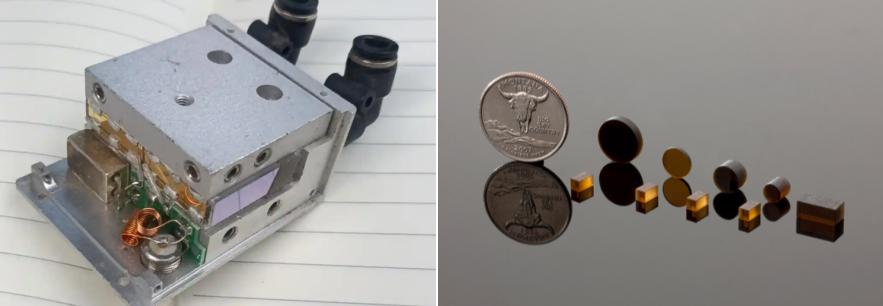
- An acousto-optic Q-switch is an active device driven by an external RF signal that allows the user to precisely control pulse timing, repetition frequency, and overall output behavior. The high tunability in operation makes it suitable for demanding applications, such as industrial micromachining, medical procedures, and LIDAR, where consistent pulse energy and synchronization are required.
- Passive Q-switching, by contrast, relies on a saturable absorber to initiate pulsing without the use of electronics. The advantages in using such a component are compactness, cost-effectiveness, and simplicity of integration. Though it offers reliable pulsed output, pulse parameters are inherently tied to the absorber material and cavity design, thus limiting flexibility compared with an acousto-optic switch.
| Feature | Acousto-Optic Q-Switch | Passive Q-Switch |
| Operating Type | Active, RF-driven | Self-acting |
| Pulse Control | Highly adjustable | Limited |
| Repetition Rate | Tunable, high | Fixed range |
| Stability | Excellent pulse consistency | Moderate |
| Size & Complexity | Larger, requires driver | Compact, simple |
| Cost | Higher | More economical |
| Ideal Use | Precision, industrial, medical, LIDAR | Compact and low-cost systems |
In summary, the acousto-optic Q-switch offers precision and repeatability, making it ideal for advanced laser platforms. The passive Q-switch delivers an efficient, minimalistic solution where simplicity and size are more important than fine-tuning control.
How to Make the Right Choice for Your Application
Your choice of Q-switch technology is a function of the core requirements of your application: Do you need to have very precise electronic control, or is ultimate simplicity the goal?
An Acousto-Optic Q-Switch is the best option when your design requires external control and synchronization, which is essential in:
- LIBS and Pump-Probe Experiments: where the laser pulse must be perfectly timed with a second light source or a detector.
- High-Speed Micromachining and Marking: where the repetition rate must be dynamically adjusted to optimize the processing speed and quality in sync with a scanning galvo.
- Lidar/Laser Ranging: involves precise time-of-flight measurements where the pulses require extremely low timing jitter.

A Passive Q-Switch is a compelling option when the priority is system simplicity and reaching the highest possible peak power with a minimalist setup. Some of the best areas where it finds applications include:
- Compact or cost-sensitive designs: This is where the absence of the RF driver and its controls simplifies integration and cuts costs.
- Applications tolerant of timing jitter: Those applications that are not sensitive to the exact moment in which a pulse is emitted, such as material ablation.
- Applications Requiring Extreme Peak Power: Applications whose objective is solely to maximize nonlinear effects or achieve the highest possible intensities on target.
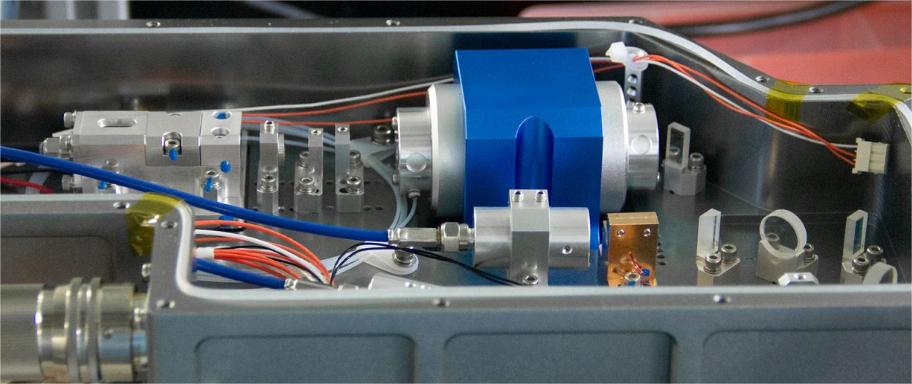
In a nutshell, the Acousto-Optic Q-Switch is the steering wheel for precision engineering of the laser output, whereas the Passive Q-Switch is a strong, set-and-forget solution.
Final Thought
When designing lasers, choosing between an Acousto-Optic Q-switch or a passive Q-switch is a matter of strategy. Active precision or passive simplicity is the key question.
Although the passive approach is fully integrated, the Acousto-Optic Q-Switch is important because it allows complete control over every aspect of your laser’s output. This is not just about a component; it’s about the control of time, the ability to vary, the complexity, and the consistency laser operators demand for the most challenging applications in research and industry.
Would you like to improve your laser system with a precision-engineered Acousto-Optic Q-Switch? Connect with our professionals to get a customized system designed to your specifications.
FAQ
Q1: Can an acousto-optic Q-switch handle high-power fiber laser applications?
Absolutely, our acousto-optic Q-switches are designed with highly advanced thermal management systems for stable performance under high-power fiber laser conditions. We employ specialized crystal materials and optimized RF drive configurations that ensure our devices will operate reliably under even the most demanding power levels.
Q2: Do you provide customized acousto-optic Q-switch solutions?
Yes, customization is at the heart of our service philosophy. Regularly, we work with customers to create customized acousto-optic Q-switch solutions for unique wavelength requirements, custom packaging constraints, or extreme operating conditions. Our engineering team can modify designs for unique integration challenges, including unusual form factors or specialized cooling requirements. Let us know about your project needs, and we will help you determine the best possible configuration.
Q3: How important is RF driver stability for a system’s performance?
RF driver stability is absolutely key, as it directly determines pulse timing precision, energy consistency, and long-term reliability. Our systems include thermally compensated RF drivers that feature typical stability better than ±0.1%, ensuring consistent performance over a wide range of environmental conditions. This level of stability is especially important for applications requiring precise synchronization or minimal pulse-to-pulse energy variation.
Q4: For a new laser design, which technology offers a faster path to prototyping?
A Passive Q-Switch can be quicker for initial proof-of-concept due to its simpler integration. However, for a functional and optimized prototype, an Acousto-Optic Q-Switch system, while more complex upfront, provides the controllability to rapidly test and refine performance across different repetition rates and pumping conditions, often saving significant development time in later stages.
Q5: Can I retrofit an existing laser system with your acousto-optic Q-switch?
In most cases, yes. We’ve successfully integrated our Q-switches into numerous legacy systems. The key considerations are available space, existing control interfaces, and optical configuration compatibility. We offer consultation services to evaluate retrofit feasibility and can often provide adapter plates or custom mounts to simplify integration.