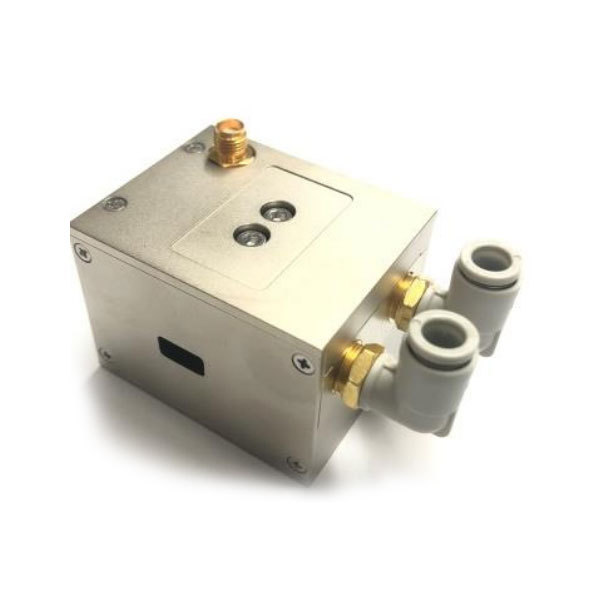
The Essential Methods to Acousto-Optic Device Maintenance
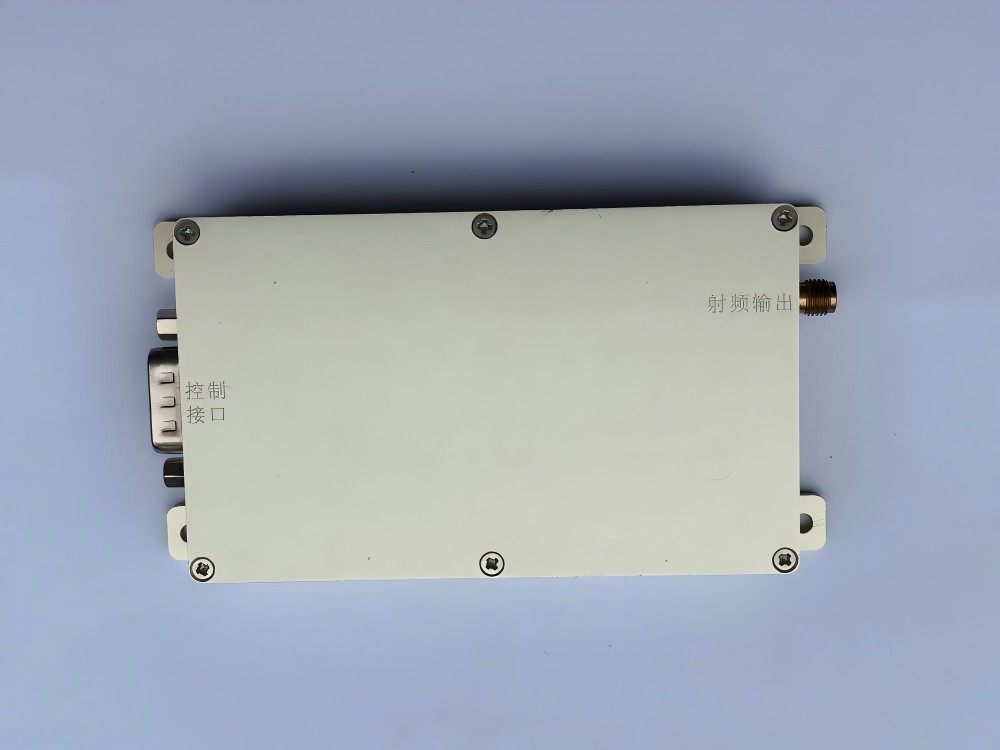
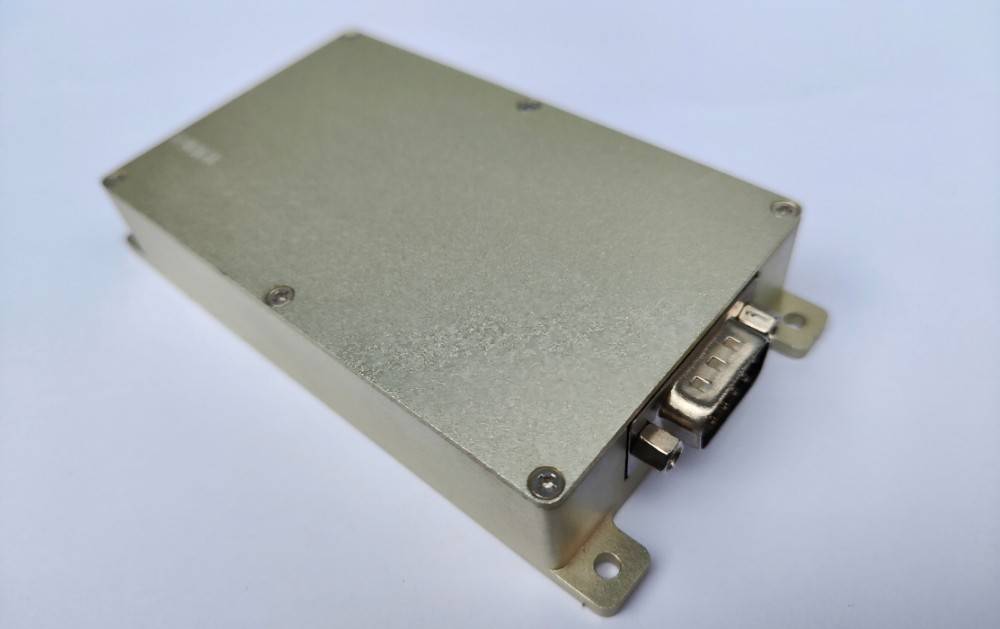
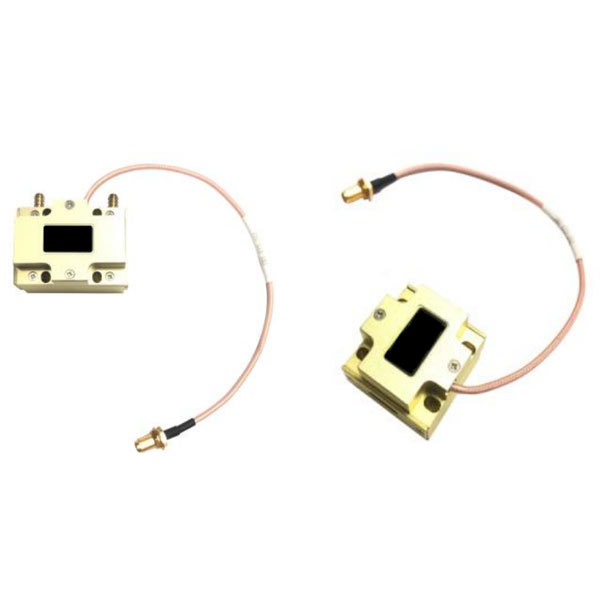
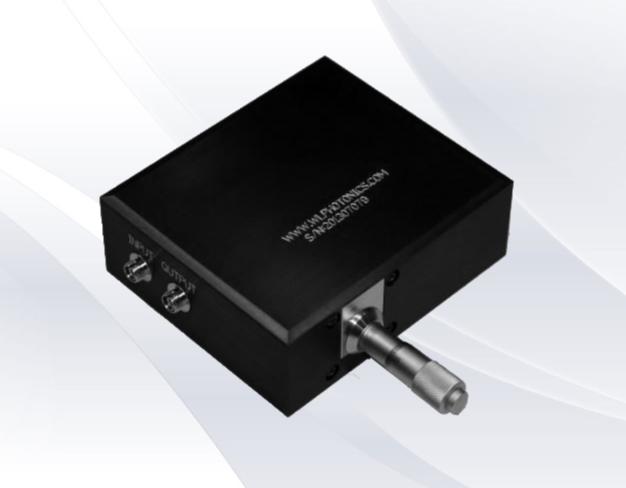
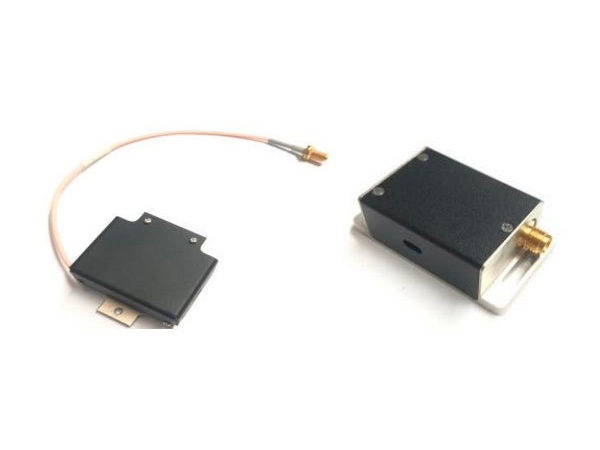
Proper maintenance of acoustic-optic devices (including acoustic-optic modulators (AOM), acoustic-optic tunable filters (AOTF), acoustic-optic filters (AOFS) and related components) can significantly extend their service life and maintain their diffraction efficiency. However, without regular maintenance, insertion loss will increase, thermal drift will occur, and your device may fail within two years.
Next, this article will introduce five methods for maintaining sound and light devices. Each method includes specific operation steps and recommended maintenance frequencies.

Method 1 – Optical Surface Cleaning Without Damage
Dust and other residues in the optical aperture reduce the efficiency of light transmission and cause localized hot spots.
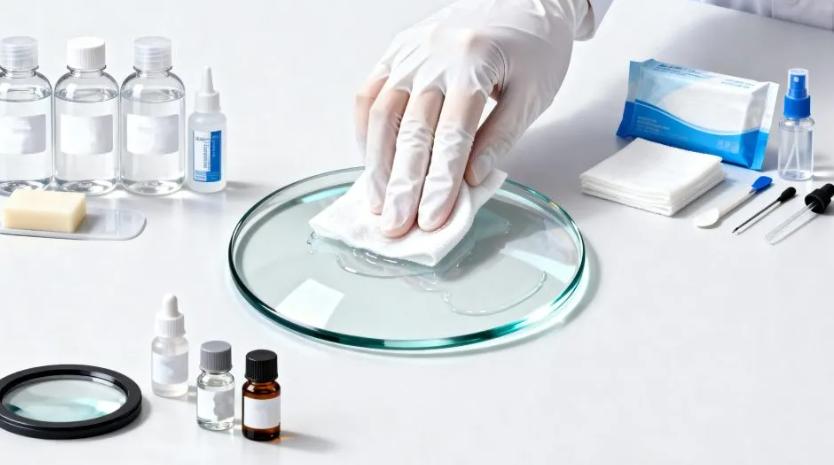
Tools to be used: Use soft lens tissues and optical grade acetone and isopropyl alcohol (IPA). Store bottles in a clean cabinet.
Tools to be avoided: Avoid using cotton swabs, canned air, and other common tissues. These tools cause contamination because of fibers and aerosols left behind.
Technique for cleaning: Roll up the lens tissue into a small ball and place one drop of acetone or IPA onto it. Slide the ball along the surface of the optical aperture without applying any force. One sweep should be enough.
Frequency:
Cleanings in laboratory conditions: weekly
Cleanings in industrial conditions: every 2-3 days, or even daily in case of visible dust
Method 2 – Thermal Management for Long-Term Stability
Heat weakens the attachment of the crystal to the transducer. An increase in temperature by 10°C beyond the recommended operating temperature reduces the life span of the device by about 40%.
Thermal basic requirements
- Fix the device to a heatsink using thermal grease
- Allow air circulation through the heatsink fins
- Avoid fixing the device within an airtight casing without any means of ventilation
Method of temperature detection
Touch the device body after 30 minutes of operation. If it becomes too hot to touch, enhance the cooling process. Using an infrared thermometer provides a precise measurement.
Correction steps
- Install a noise-free fan
- Enlarge the heatsink
- Minimize the duty cycle if possible
Method 3 – RF Driver Matching and Electrical Health
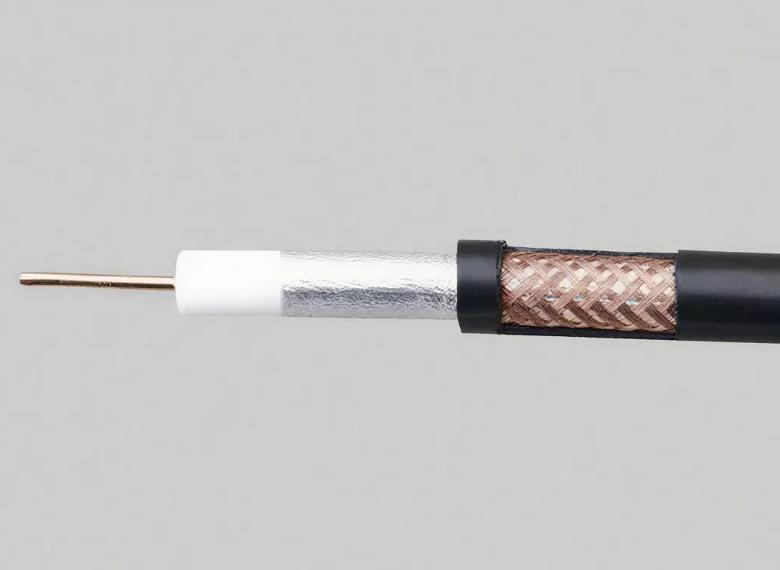
RF Driver mismatch will lead to internal heating and bond failures due to an excess heat build-up within the system.
Indicators of mismatch: The SMA connectors being hot, diffraction inefficiency, and reflected power greater than 2% of forward power are good indicators of mismatch.
Weekly checks to conduct:
1. Check for damage in the RF cable.
2. Determine forward and reflected power through the use of a directional coupler.
3. Verify the driver frequency is matched with your AOM as per the label.
If the problem persists despite replacing the RF cable, then send the RF driver back for calibration, as operation under mismatched conditions leads to accelerated damage.
Method 4 – Mechanical and Mounting Integrity
Increasing stress alters the optical alignment and may cause the crystal to break inside the case.
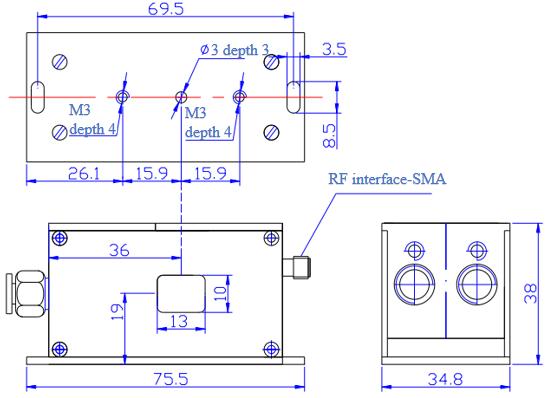
Torque specification: Finger-tight + 1/4 turn with a wrench; do not use power tools. Most vendors recommend 0.4 to 0.6 N·m for M3 or M4 screws. If unknown, use only enough to make it tight.
Isolation from vibration: In systems with motors, pumps, or external vibration:
- Mount the unit on rubber isolators
- Keep RF cable strain-relieved so it does not pull on the SMA connector
Post-maintenance checks: Always check the beam alignment. Misaligned AOM will have lower first-order power and increased zero-order leakage.
Method 5 – Storage, Handling, and Transport Protocols
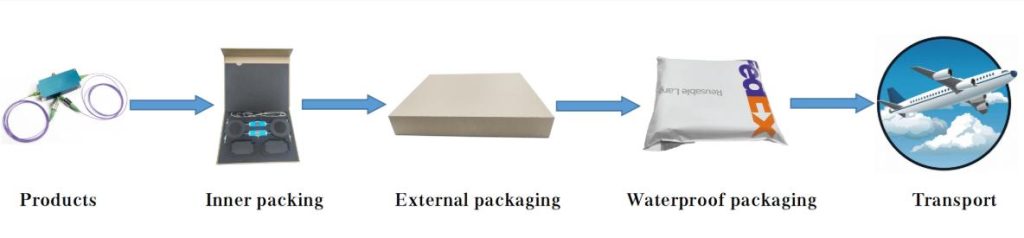
Storage and transportation conditions will directly affect the internal crystals and optical coatings. Improper pre-installation treatment is a common cause of premature failure of the equipment.
Storage requirements: Place the device in an anti-static bag and put a packet of desiccant (silica gel) inside to keep the humidity below 60%. Store it in a clean container and avoid direct sunlight or heat sources.
Transport packaging: Use sealed anti-static bags and place the equipment inside a hard foam plastic liner. The outer packaging box should have at least two inches of padding around it.
The significance of documentation: A simple maintenance log that records the storage time and transportation date can help users identify when the equipment was exposed to adverse conditions. User reports of unexplained performance issues are fewer when documenting the storage conditions.
Quick Reference – Preventive Maintenance Schedule
The table below summarizes the five methods into daily, weekly, monthly, quarterly, and as-needed tasks. Users can print this table and post it near the equipment.
| Frequency | Check Item | Related Method |
| Daily | Visual inspection, touch for overheating | Method 2 |
| Weekly | RF power reading, cable inspection | Method 3 |
| Monthly | Optical surface cleaning | Method 1 |
| Quarterly | Mounting screw torque, alignment check | Method 4 |
| As needed | Storage or transport compliance | Method 5 |
When to Return for Factory Service
Certain issues are beyond repair by means of field maintenance and require returning the device to its manufacturer. This must be done in case:
- Cleanliness and RF Verification fail to achieve diffraction efficiency
- There is an increase in insertion loss of more than 1dB without contamination
- The device works improperly or gives no output signal at all
To get return materials authorization, contact your manufacturer, giving device details and explaining its behavior.
To Conclude
Five maintenance processes, namely cleaning, thermal management, RF matching, mechanical inspection, and proper storage of the device, are the critical factors impacting the life of acousto-optic modulators. Each process takes less than five minutes per week.
Begin by performing the weekly RF test and monthly cleaning routine. Then, proceed to perform other maintenance processes for a period of one month and record all actions in a logbook.
For any product inquiries, RF matching queries, or RMA requests, kindly contact us at www.cq-smart.com. We reply within one working day.
FAQ
Can I use ethanol instead of acetone for cleaning?
Yes, if ethanol is absolute (water-free) and reagent grade. Acetone dries faster and leaves less residue, which is why it remains the preferred solvent.
How long does a well-maintained AOM typically last?
Five to eight years for the crystal and transducer. Coatings may degrade sooner under high average power (above 10W). Regular cleaning and thermal control achieve the longer end of this range.
Which maintenance method is most often overlooked?
Mechanical mounting torque and vibration isolation. Many users clean optics and check RF, but never re-torque screws or add vibration damping.
Does SMART SCI&TECH offer repair services for other brands?
We service only our own manufactured devices. For third-party products, we recommend contacting the original manufacturer.