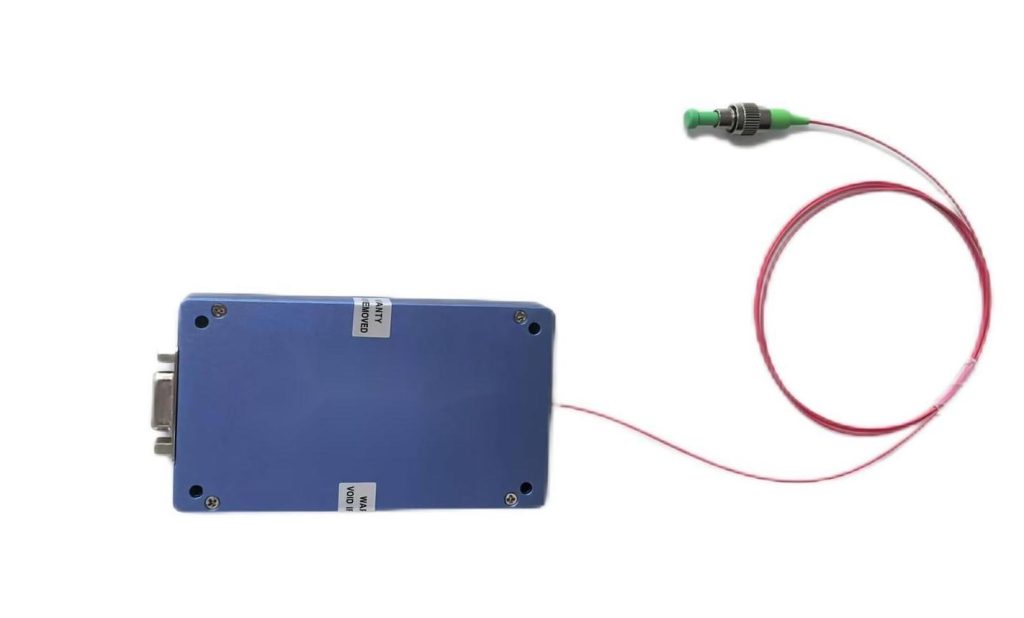
Upgrading Your Existing Fiber Optic System with Narrow Linewidth Laser Modules
Upgrading the optical fiber system may seem complicated, but integrating narrow-linewidth laser modules is one of the most effective ways to enhance performance, and it doesn’t require a complete overhaul.
Narrow linewidth lasers offer excellent coherence and frequency stability, which directly translates into higher measurement accuracy, lower signal noise, and better system reliability. If your existing system has problems with signal attenuation, long-distance transmission, or high-resolution sensing, such an upgrade will bring significant improvements.
Why Narrow Linewidth Lasers Make a Difference?
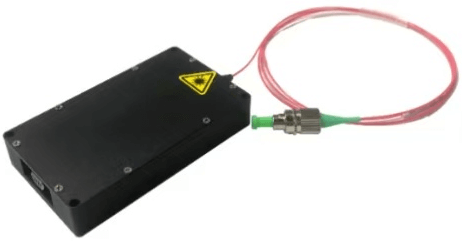
In a standard optical fiber system, the laser source typically determines the performance limit of the system. Wide-linewidth lasers introduce phase noise, reduce spectral resolution, and limit the coherent detection capability. However, switching to narrow-linewidth modules can alleviate these issues, thereby obtaining clearer signals and more accurate data.
For instance, in fiber Bragg grating sensing networks, narrow linewidth light sources can ensure more accurate tracking of wavelength shifts caused by strain or temperature changes. In coherent communication systems, narrower linewidths imply lower bit error rates and longer transmission distances, thus eliminating the need for expensive amplification or dispersion compensation.
Assessing Your Current System
Before preparing for the upgrade, you need to first understand the performance of the current system in terms of frequency stability, noise and thermal drift. A simple assessment can identify the bottlenecks and determine whether the narrow linewidth module can bring a tangible improvement to your system.
You can first check the following items:
- The current specifications for the linewidth and stability of the laser
- Signal-to-noise ratio (SNR) at the target distance
- The temperature and vibration sensitivity of the existing modules
After the upgrade, even if there are only minor improvements in these aspects, it is sufficient to prove the rationality of your investment. In many cases, simply replacing the laser module rather than the entire system can achieve the majority of the performance improvements.
Selecting the Right Narrow Linewidth Module
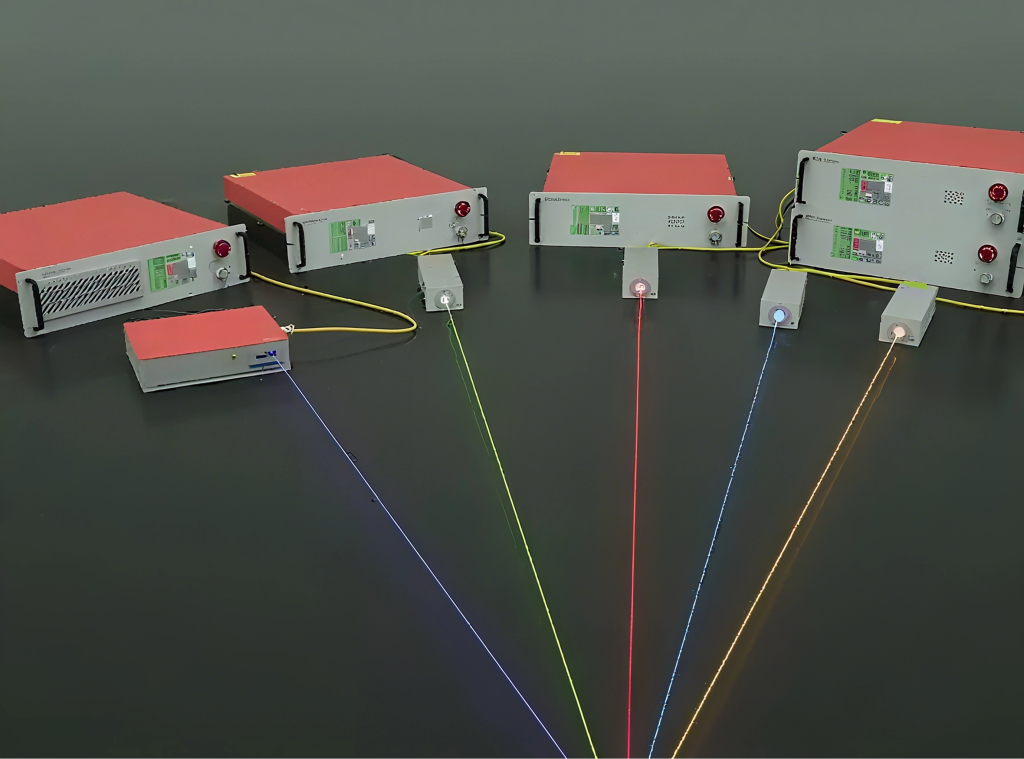
Not all narrow-bandwidth lasers have the same performance. The choice depends on your application, power requirements, and system architecture.
For example, fiber-coupled distributed feedback (DFB) lasers are a popular choice for sensing and communication, offering narrow linewidths in the tens to hundreds of kilohertz range. External cavity diode lasers (ECDLs) are suitable for laboratory or metrology applications where sub-kilohertz stability is required.
When comparing different products, the three key indicators that should be given special attention are: line width, frequency stability, and output power. You can refer to the table below for a rough comparison:
| Laser Type | Typical Linewidth | Stability | Ideal Use Case |
| DFB Fiber Laser | 50–200 kHz | ±1 MHz/day | Sensing, telecom |
| ECDL | <1 kHz | ±100 kHz/day | Lab measurements, metrology |
| Fiber Amplified DFB | 100 kHz | ±0.5 MHz/day | High-power sensing, LIDAR |
This table simplifies the comparison, but always consider integration factors like fiber compatibility, package size, and thermal management. A module that looks good on data can underperform if it doesn’t match your system’s architecture.
Narrow Linewidth Laser Integration Tips
Upgrading isn’t just about exchanging modules; you need to take into account system interfaces and environmental conditions. Narrow linewidth lasers can be more sensitive to temperature and vibration, so consider adding heat sinks or vibration damping if your system wasn’t originally designed for high-coherence sources.
Another critical factor is coupling efficiency: the quality of fiber alignment and connectors can seriously affect output power and signal quality. Installation would normally allow for minor adjustments that make a measurable difference in performance. Sometimes, a short calibration sequence after installation ensures that the module performs at its peak.

Expected Performance Improvements
Users generally notice the benefits right away after the upgrade. There is a better signal-to-noise ratio, clearer spectral features, and the equipment gets more resistant to drift over time. In applications of LIDAR or sensing, these advantages lead to longer measurement ranges and better spatial resolution. In coherent communications, the number of errors goes down, and it is possible to increase the distance of transmission without putting in more repeaters.
A little improvement in linewidth and stability can still bring new capabilities for your system, thus postponing or avoiding expensive full-system upgrades.
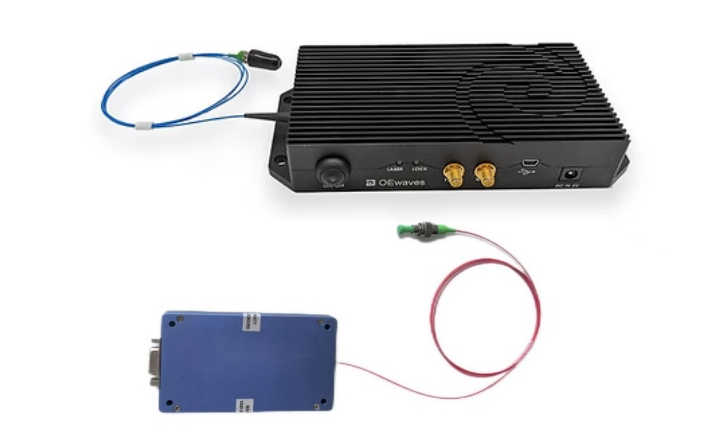
Upgrading your fiber optic system with a narrow linewidth laser module yields clear, tangible benefits. Skinnier linewidth modules cost more than regular lasers, but just replacing the laser, and not the system itself, usually makes it worth the investment. Often, gains in accuracy, reliability, and performance outweigh the price of this upgrade, therefore being also pragmatic for extending system capabilities without a full overhaul.