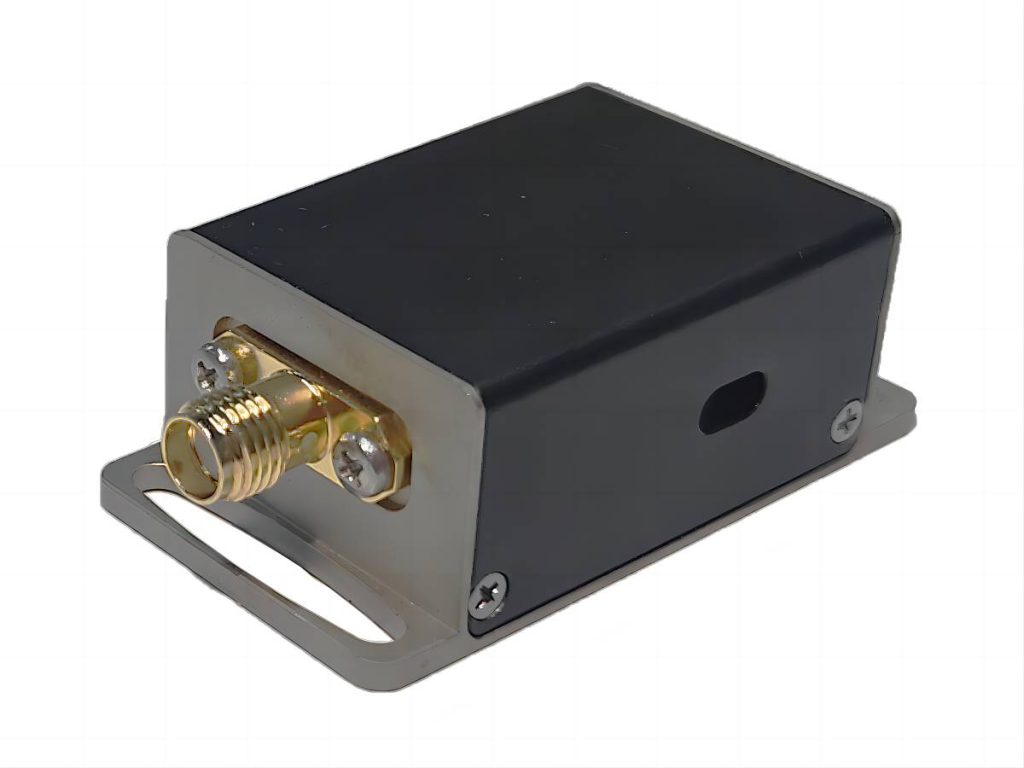
5 Ways Space AOFs Are Changing Industrial Laser Processing
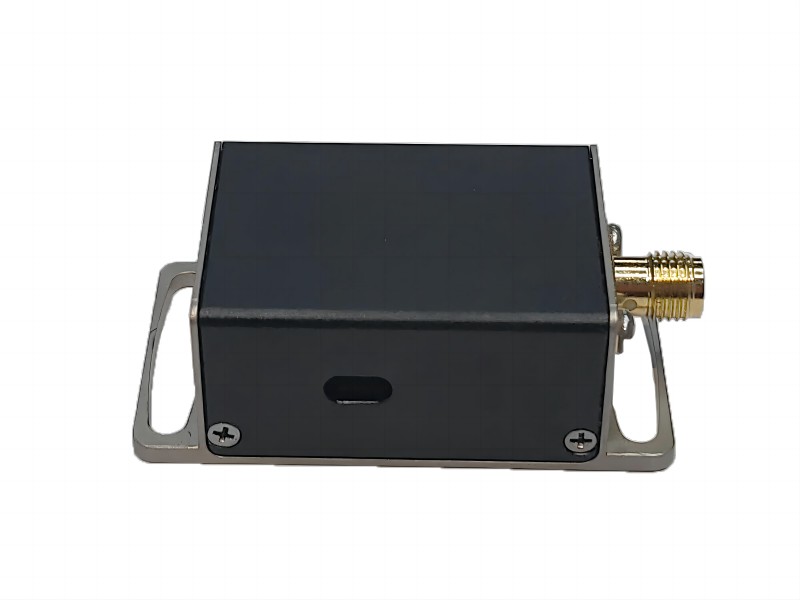
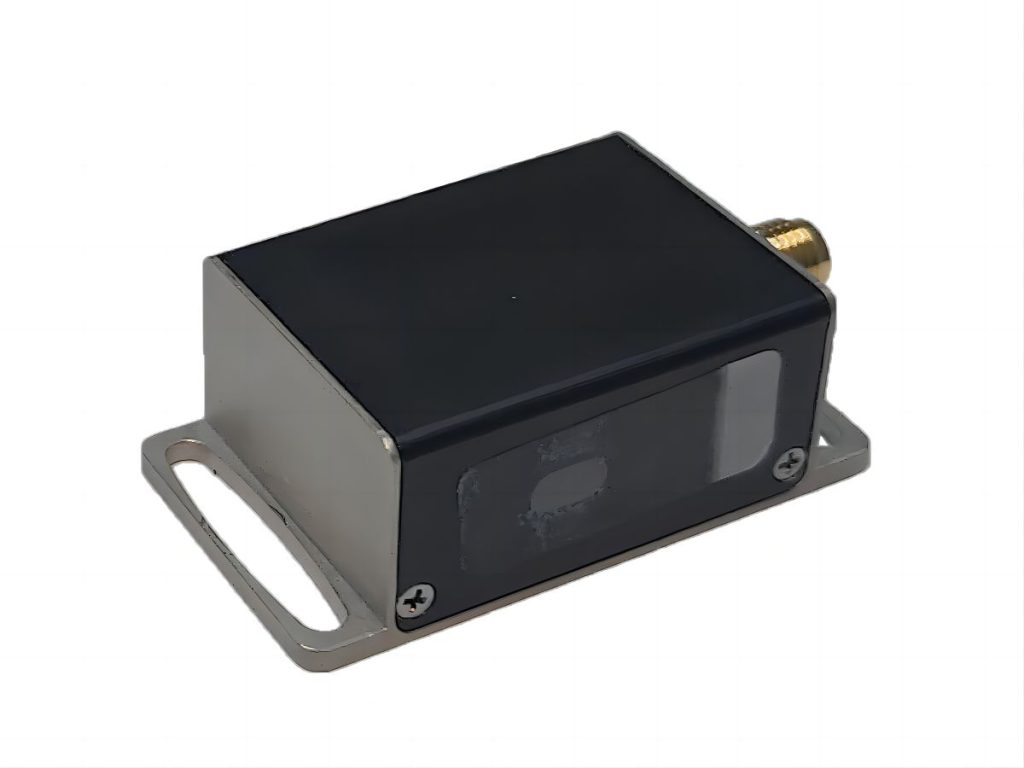
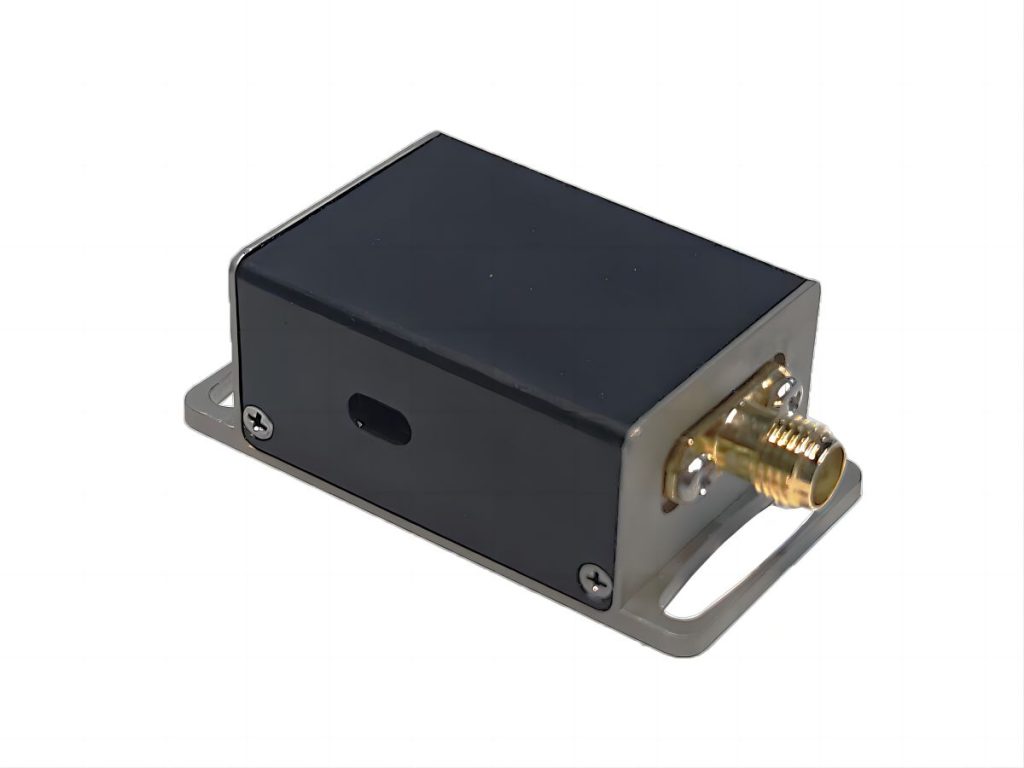
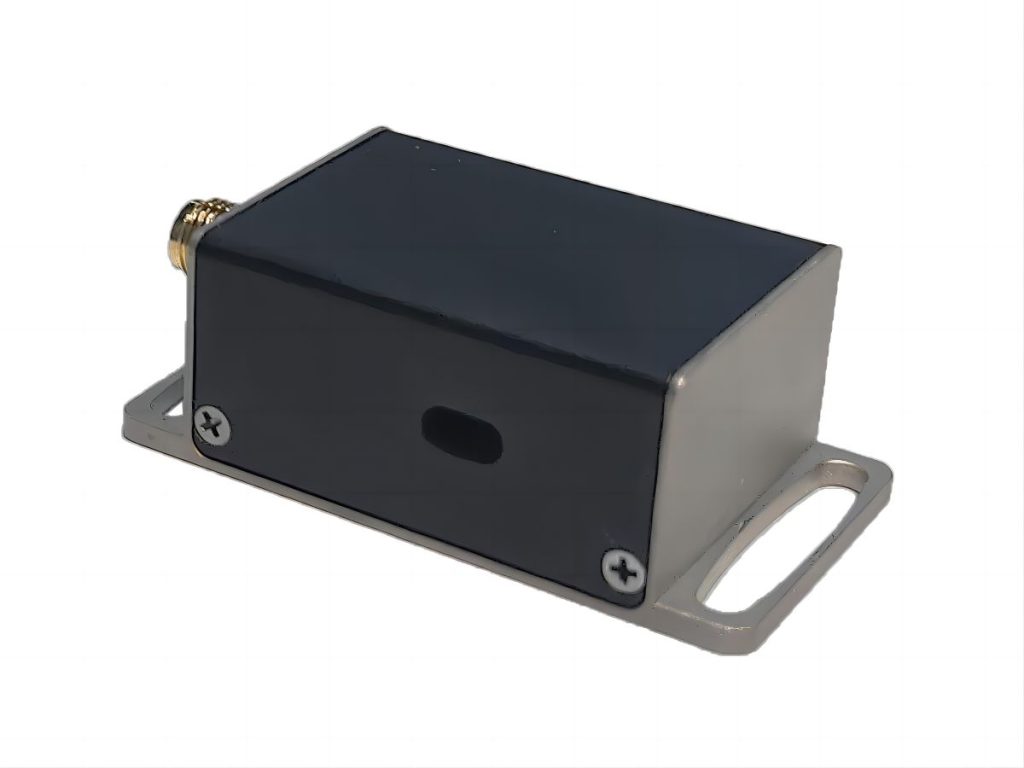
It is clear that industrial laser systems play an important role in cutting, welding, marking, and engraving. However, even the most advanced laser technology is subject to certain limitations in terms of frequency stability, processing speed, and energy efficiency. Space AOFs (Acousto-Optic Frequency Shifters) have become an accurate and flexible solution for this purpose.
With the ability to adjust laser frequency in microseconds, Space AOFs have become an essential element in today’s industrial environment. This article highlights five ways in which Space AOFs are transforming the field of industrial laser processing.
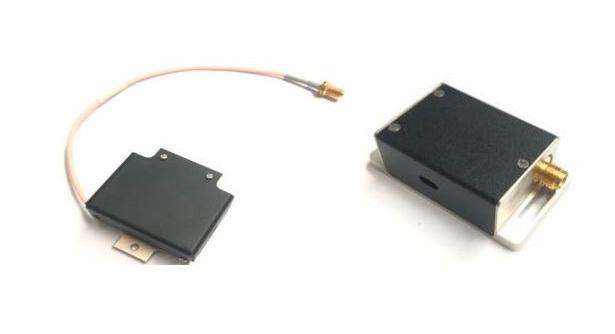
Way 1: Enhancing Laser Frequency Control
Precision is critical. In a laser cut or weld, even a small change in frequency can result in inconsistent results. Space AOFs electronically adjust the frequency, providing real-time adjustment without mechanical parts.
- Accurate cutting of thin metal sheets
- Reduced defects in microelectronic devices or medical device marking
- Better precision for high-volume production
One of our customers, cutting 0.5 mm stainless steel sheets, found that edge irregularities were common with their previous system. After integrating a Space AOF, frequency stability was achieved across all sheets, improving edge smoothness and reducing rework by 15%.
Way 2: Increasing Laser Processing Speed
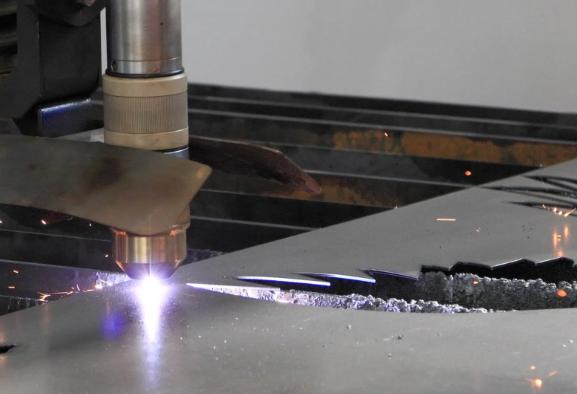
The speed of the industrial lasers is usually controlled by the mechanical modulation and the adjustment of the frequency. The use of space AOFs has addressed this problem by modulating the beams of the lasers electronically at the rate of hundreds of MHz. This allows for the instantaneous adjustment of the frequency and the intensity of the lasers. This allows the lasers to move faster across the materials without compromising the accuracy. The faster modulation allows for the production of more materials within the same amount of time.
This is especially true with high-volume production or processes that involve multiple steps, such as cutting metal sheets or welding parts. When space AOFs are incorporated in production lines, smoother motion is achieved, enabling faster production.
| Process | Speed Improvement | Operational Impact |
| Sheet metal cutting | 20–30% faster | More sheets processed per hour |
| Laser welding | 15–25% faster | Shorter weld cycles, consistent quality |
| PCB marking | 25% faster | Reduced production lead times |
With these improvements, Space AOFs help manufacturers maintain high-quality output while significantly increasing efficiency, making them a practical upgrade for both small-scale workshops and large industrial facilities.
Way 3: Improving System Stability in Harsh Environments
Industrial lasers may not function in a dust-free and peaceful atmosphere. They may be subjected to dust, vibration, and high temperatures. Space AOFs, being free from any moving parts, function with consistent performance even in harsh environments.
Here are the concrete advantages:
- Immune to thermal drift and vibration
- Maintains laser output in dusty or high-temperature environments
- Reduces downtime due to maintenance
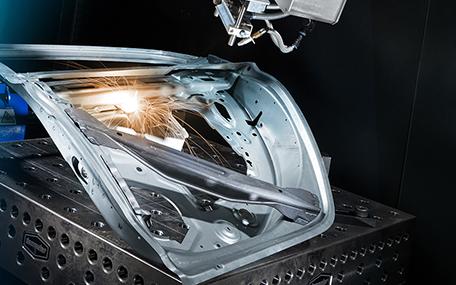
For example, in automotive body welding machines, due to vibration from adjacent machines, a minor change in frequency occurred in the laser beam. This caused inconsistency in the welds produced by the machines. The problem was resolved by incorporating Space AOFs.
Way 4: Enabling Precise Multi-Laser Coordination
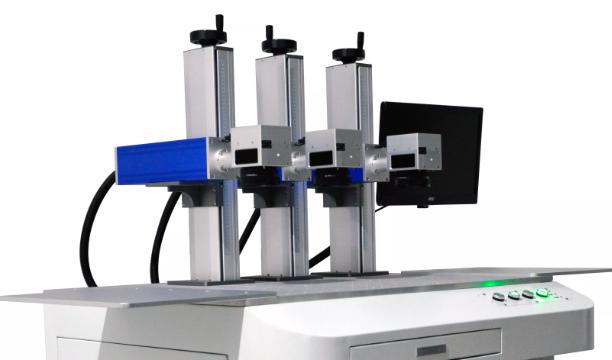
The coordination of multiple lasers in the same industrial system is a complex task. Without proper coordination, the lasers may interfere with each other. This may lead to inconsistent processes and defective materials. The use of space AOFs solves this problem by allowing the lasers to operate at different electronically controlled frequencies. This prevents the lasers from interfering with each other. This way, multiple lasers may operate simultaneously on the same material without compromising quality.
This feature is especially essential in various processes, such as multi-head PCB marking, large-scale engraving, or welding automotive parts. Unique frequencies enable multiple lasers to operate together, thus creating uniform cuts and welds and minimizing material wastage.
Way 5: Reducing Energy Loss and Operational Costs
Another important factor is that energy efficiency is a growing concern in manufacturing industries. Space AOF optimizes energy efficiency as it maintains a constant laser output and minimizes losses due to misaligned beams.
Impact on operations:
| Material Type | Energy Savings | Production Benefit |
| Stainless steel | 10–15% | Lower scrap rates |
| Aluminum | 8–12% | Reduced energy consumption |
| Thin metal sheets | 12–18% | More consistent cutting |
The cost of AOF modules is eventually offset by long-term savings, which also includes an increase in yield rates due to reduced defects caused by AOF.
Want to Take an Action?
Space AOFs have been demonstrated as a feasible approach for contemporary industrial laser processing. These AOFs stabilize the frequency of the lasers, accelerate the processing speed, synchronize multiple lasers, and minimize energy dissipation, among other benefits. Irrespective of whether you are involved in cutting, welding, or other precision tasks, integrating Space AOFs into your operations can be a great idea.
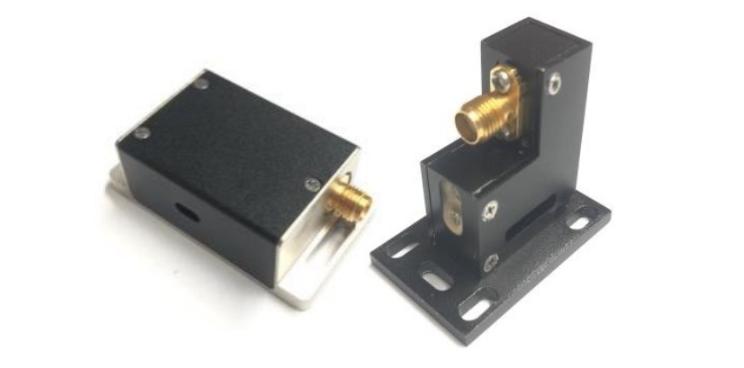
We are a leading manufacturer of Space AOF modules, and we can help you select or develop an AOF module that is suitable for use with your lasers. Take the next step in taking advantage of the benefits of integrating Space AOFs into your operations. Contact us for a free consultation or demo of our products and see how we can help you!