Five Frequently Asked Questions (FAQs) about Optical Delay Line
During the design, testing, or acquisition of optical systems, timing discrepancies, even the slightest ones, might result in wrong measurements, signal mismatch, or lower system performance. That is why understanding the operation of an Optical Delay Line(also called fiber delay line, fiber optic delay line) and mastering the art of picking the right one is a must for engineers, system integrators, and technical buyers.
In reality, many users have similar doubts: Is it necessary for me to have an Optical Delay Line? Which type would be the best for my application? What specifications should I pay attention to? Is it possible to have it modified or controlled? Without straightforward responses, it is quite common to end up selecting a solution that is unnecessarily sophisticated or, even worse, a delay line that does not fulfil the system’s minimum requirements.
This guide, which is FAQ-based, aims to provide a solution to those concerns that are grounded in reality.
Q1: What is Optical Delay Line & How It Works?
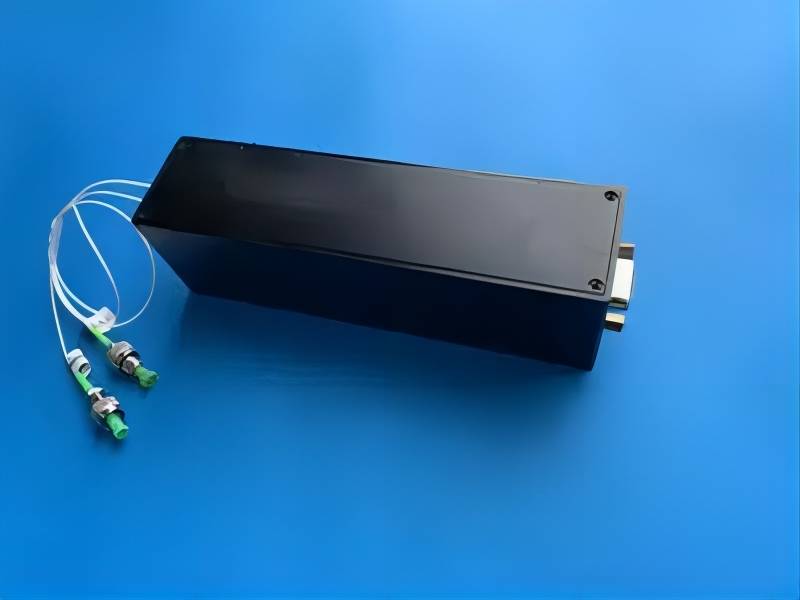
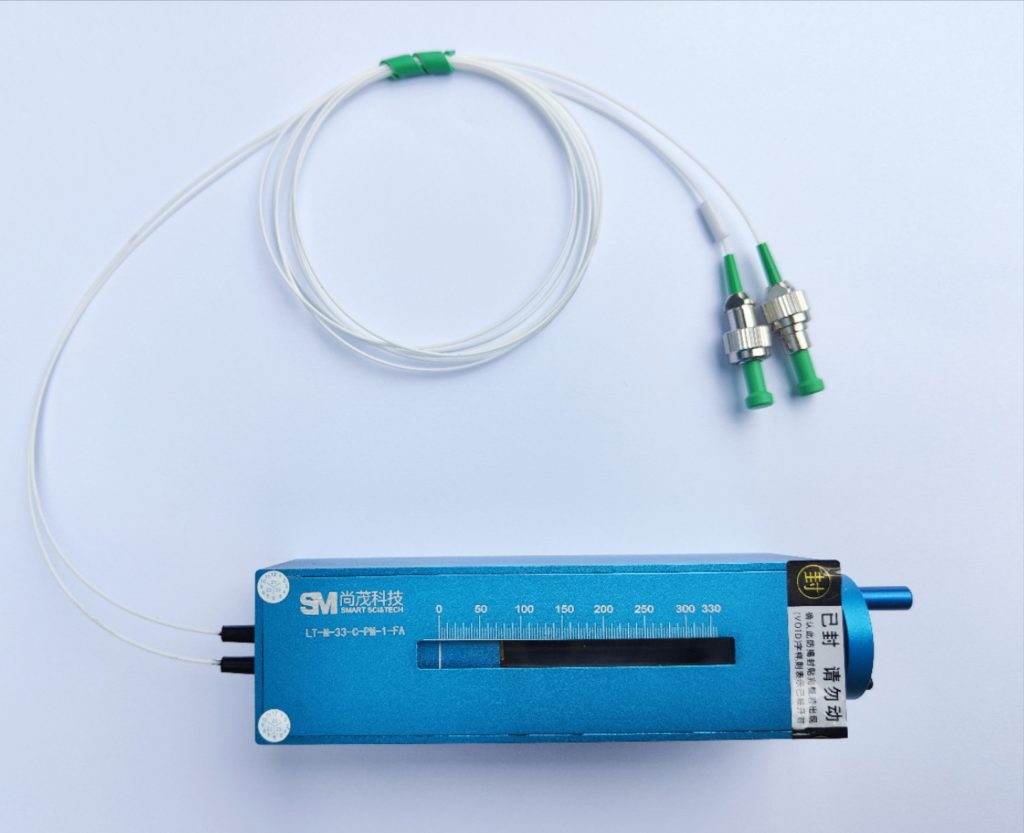
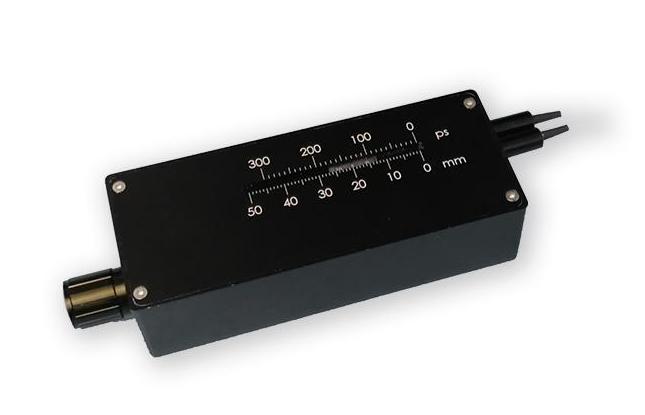
An Optical Delay Line is a gadget that can delay the arrival time of a light signal without changing the signal. To put it simply, it gives the system control over the time of light’s arrival but not over the light’s content.
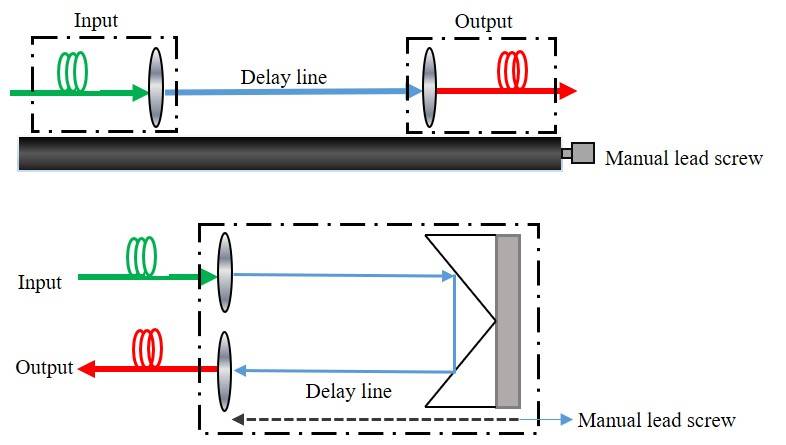
The working principle of an Optical Delay Line is akin to taking a longer route to the same destination. Light has a fixed speed, so if it is made to travel through a longer path, it will inevitably take more time to reach. An Optical Delay Line develops this additional path in a very controlled and predictable manner, thereby producing a very accurate time delay.
The main aspect is that the delay is done optically, not electronically. This implies that the signal does not require conversion into an electrical form; hence, there will be no added complexity, signal distortion, or speed limitations involved.
Comprehending this fundamental concept will not only help you to assess whether an Optical Delay Line is indispensable in their system but also make it much easier for you to interact with suppliers or technical teams during the selection process.
Q2: What Are the Main Applications of an Optical Delay Line?

An Optical Delay Line is a device that is employed in applications where the exact timing of the signals being controlled has an impact on either performance, precision, or reliability. Optical Delay Lines are not limited to any one specific field but instead have found use in a vast array of optical technologies.
In the case of optical communication and networking, Optical Delay Lines are responsible for signal alignment in fast systems, and their application is not limited to just during system testing but also in signal synchronization and performance evaluation. This is because proper timing ensures that the data signals are received and analyzed in the correct manner.
In the case of optical measurement and sensing systems, accurate timing differences are among the basic requirements. Optical Delay Lines are used in such systems to compare light paths by means of controlled delays, which allow for very accurate measurement of distance, displacement, or material properties.
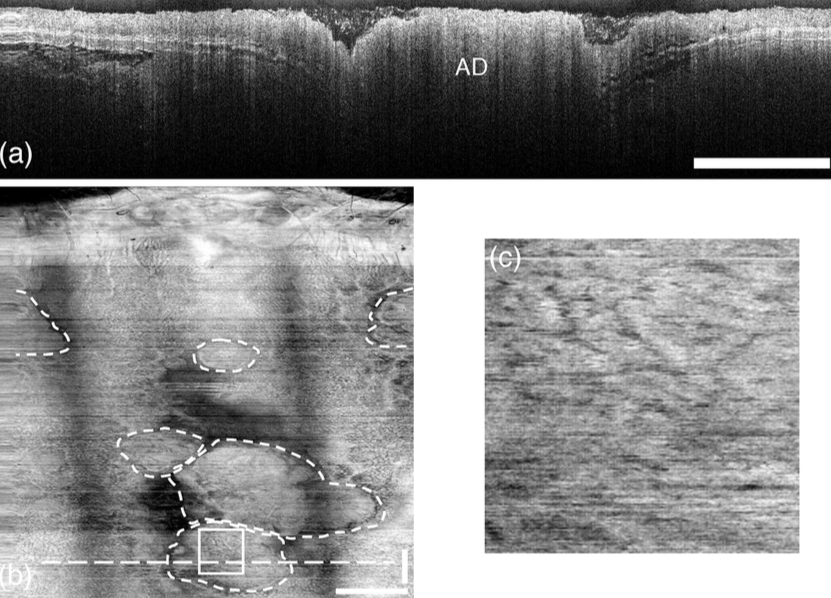
In medical and industrial imaging, for example, through Optical Coherence Tomography (OCT), the Optical Delay Lines are responsible for the timing of the light signals that are reflected, and consequently, image quality and depth resolution are directly affected.
The laser and lidar systems also take advantage of the Optical Delay Lines, where timing control is essential for accurate distance measurement or for the proper system response calibration.
In all these domains, there is one primary need that stands out – reliable and foreseeable control of optical signal timing. Hence, Optical Delay Lines are termed the basics of many sophisticated optical systems.
Q3: What Types of Optical Delay Line Are Available?
The Various types of Optical Delay Lines have been developed to address diverse system environment conditions, restrictions in space, and integration needs. From the point of a buyer, the principal difference between these alternatives is nothing but the physical method of creating the delay, as well as the compatibility of the delay line with the present optical arrangement.
The Optical Delay Line types that are most frequently used comprise:
1. Fiber-based Optical Delay Line
It utilizes optical fiber and generates delay; therefore, it is suitable for fiber-optic systems and laboratory testing environments.
2. Free-space Optical Delay Line
It makes use of controlled optical paths in open space to create delay; hence, it is often used in applications such as research, imaging, and precision measurement setups.
3. Integrated Optical Delay Line
To be specific, it is a photonic chip product especially designed for the requirements of compact systems where space, stability, or large-scale integration are important.
Despite the fact that all these options possess the same basic feature, they stand out from each other concerning factors like form factor, integration method, and typical usage scenarios. A good understanding of the aforementioned basic categories helps the buyers and system planners to quickly come to a conclusion regarding the Optical Delay Line solution that is most appropriate for them without going through detailed specifications or discussing customization with suppliers.
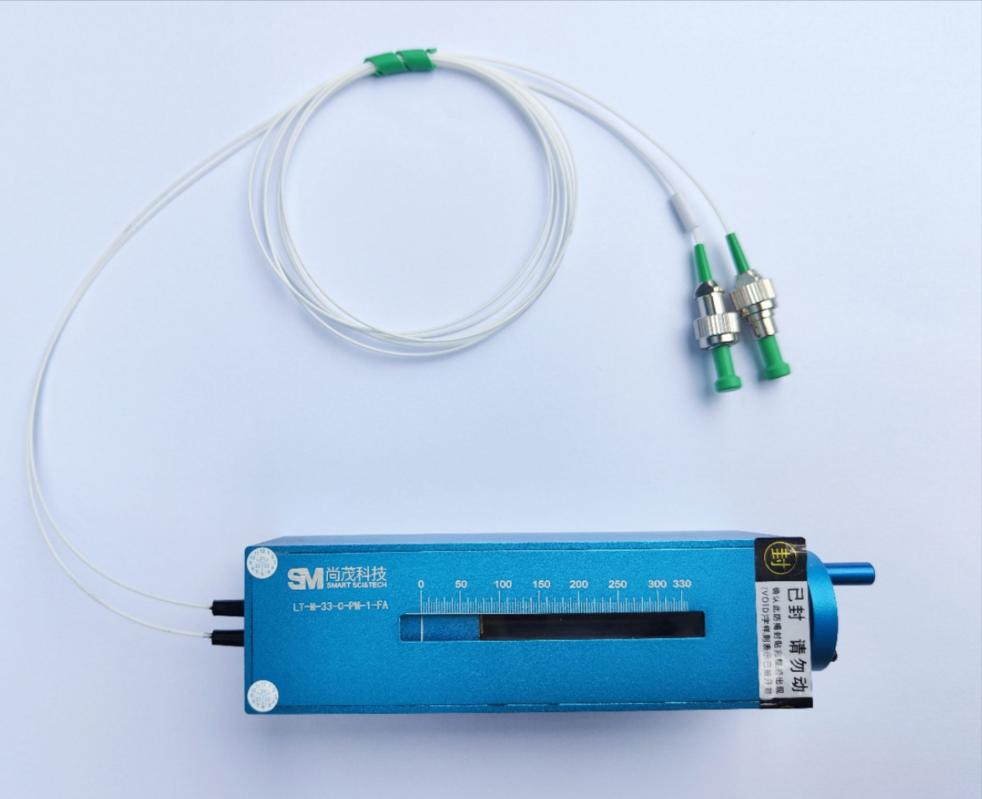
Q4: What Key Performance Parameters Define an Optical Delay Line?
While choosing an Optical Delay Line, it is vital to comprehend the most important performance parameters in order to guarantee that the device will meet the system specifications and will operate reliably.
A table is given below that summarizes the essential parameters:
| Parameter | What It Means | Why It Matters for Buyers |
| Delay Range | Maximum and minimum time the device can delay a signal | Ensures the device can meet the timing requirements of your system |
| Delay Accuracy & Repeatability | How precisely the delay can be set and consistently repeated | Helps maintain system performance and reduces calibration errors |
| Insertion Loss | Amount of signal power lost passing through the device | Affects overall signal strength and may require additional amplification |
| Wavelength Dependence | Whether delay changes across different light wavelengths | Important for systems using multiple wavelengths or broadband signals |
| Polarization Sensitivity | How the device handles different light polarizations | Prevents signal distortion in polarization-sensitive applications |
| Environmental Stability | Performance under temperature changes or vibration | Ensures reliable operation in varying environments |
Having a look at these parameters, one can securely pick the most suitable Optical Delay Line for their application with the trade-off between performance, reliability, and price.
Q5: Can an Optical Delay Line be actively tuned or controlled?
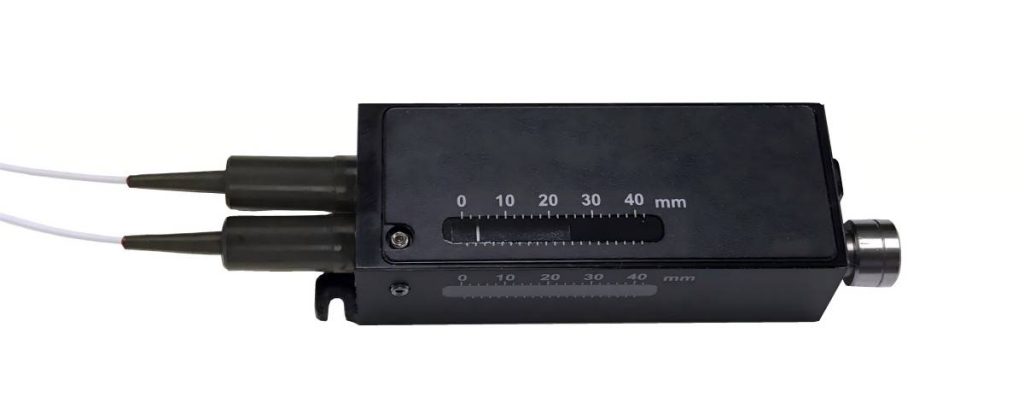
Indeed, it is possible to adjust or control the majority of the contemporary Optical Delay Lines actively. This implies that one may modify the light signal’s timing without the need to physically alter the device, which is an aspect that is particularly advantageous in systems requiring high precision, frequent calibration, automation, or real-time adjustments.
There are several methods for implementing active control:
- Motorized Mechanical Stages – Allow mirrors or optical paths to be moved with a high degree of accuracy, which in turn permits repeatable adjustments.
- Piezoelectric Actuators – Give the fastest and most precise tuning by making very small displacements in the optical path.
- Thermo-Optic or Electro-Optic Techniques – Vary the duration by changing the properties of optical materials, great for small or mixed systems.
Optical Delay Lines that can be actively tuned provide the advantages of flexibility, a decrease in the number of manual recalibrations, and a consistent performance of the system. This feature makes it fairly easy to incorporate the device into automatic setups or systems where the operating conditions are constantly changing, thereby saving time and minimizing the risks associated with operations.
Want to Learn More about Optical Delay Line?
To grasp the fundamentals of an Optical Delay Line by delving into how it operates, its principal usages, the various kinds available, and the key performance characteristics. It is very important for every user to consider the type of Optical Delay Line that will suit an application the best, as the one chosen wisely will provide good timing, stable performance, and easy integration into the optical system.
For instance, when an engineer is tasked with designing a new system or upgrading an old one, he will consider many factors, but the proper information will be the one that will save time, eliminate risks, and so on, among other benefits.
If you look for the best performance and the most suitable Optical Delay Line for your needs, do not hesitate to contact our group, as we are always ready to assist. Get in touch with SMART SCI & TECH now to receive professional advice, customized recommendations, or a particular solution that has been made for your application.