How Acoustic Optic Deflectors Power HighSpeed 3D Scanning?
The importance of speed can hardly be overemphasized in the current world. The need for fast and accurate 3D scanning is being driven rapidly by a variety of applications, from drone mapping complex terrains to handheld 3D printers having just scanned the object. Mechanical scanners, which require rotating mirrors or moving parts and are usually termed traditional, are the ones that have a hard time keeping up. They are large, susceptible to damage, and also limited in their scanning speed, thus affecting the accuracy and performance in real-time.
The acousto-optic deflector (AOD) came into being. This method redirects a laser beam through sound waves, and without any moving parts, thus making it perfect for fast and precise scanning.
In this piece, we will discuss how acoustic optic deflectors work, the significance of their existence, and how they are changing the arena of high-speed 3D scanning.
How an Acoustic Optic Deflector Steers a Laser Beam?
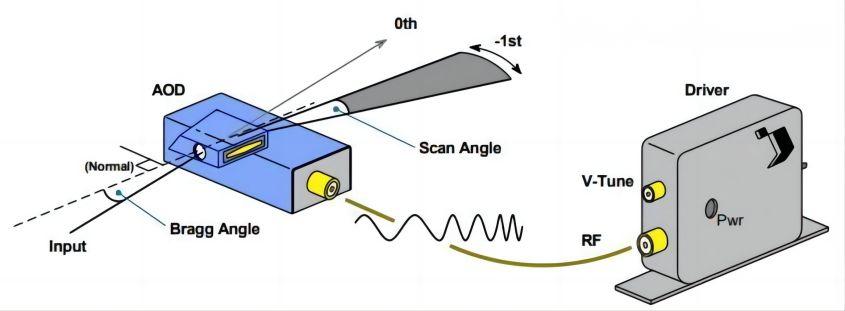
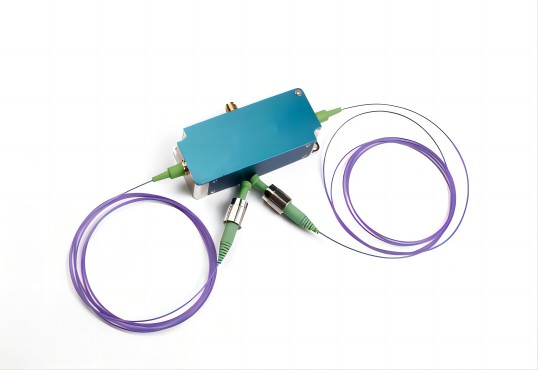
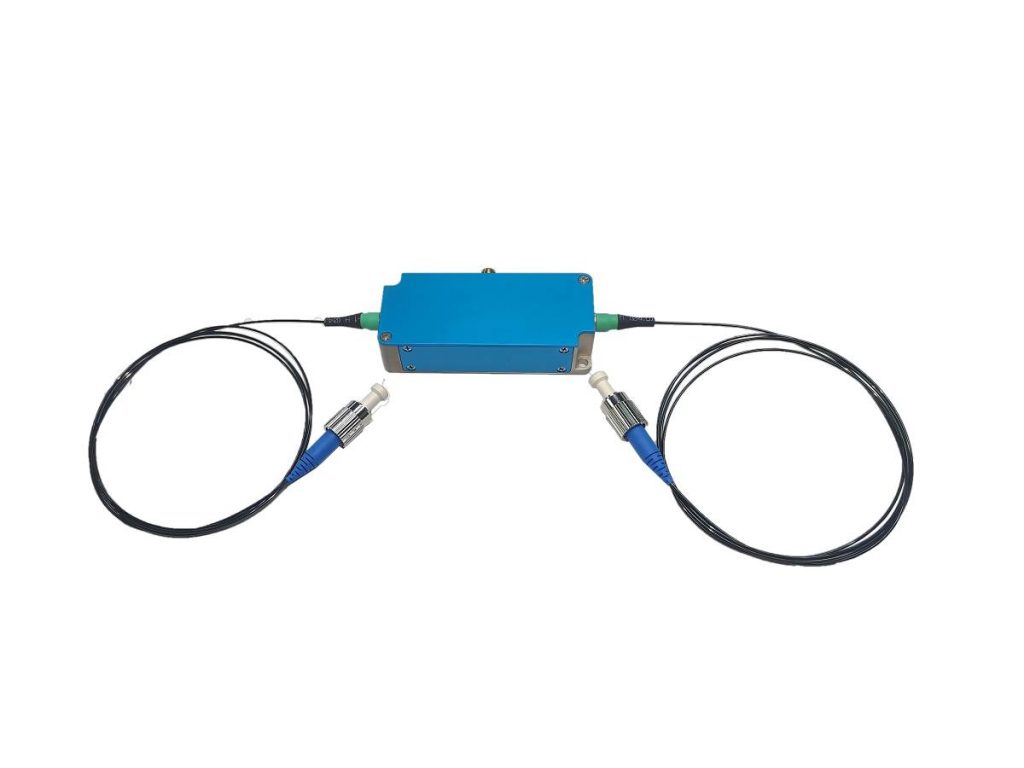
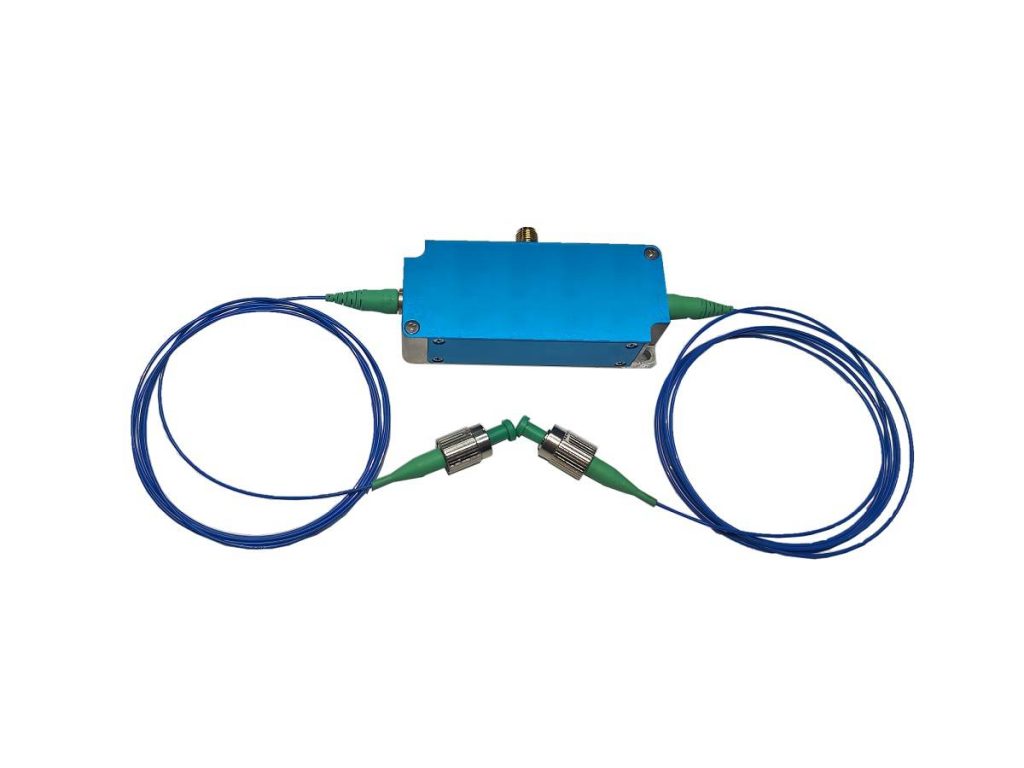
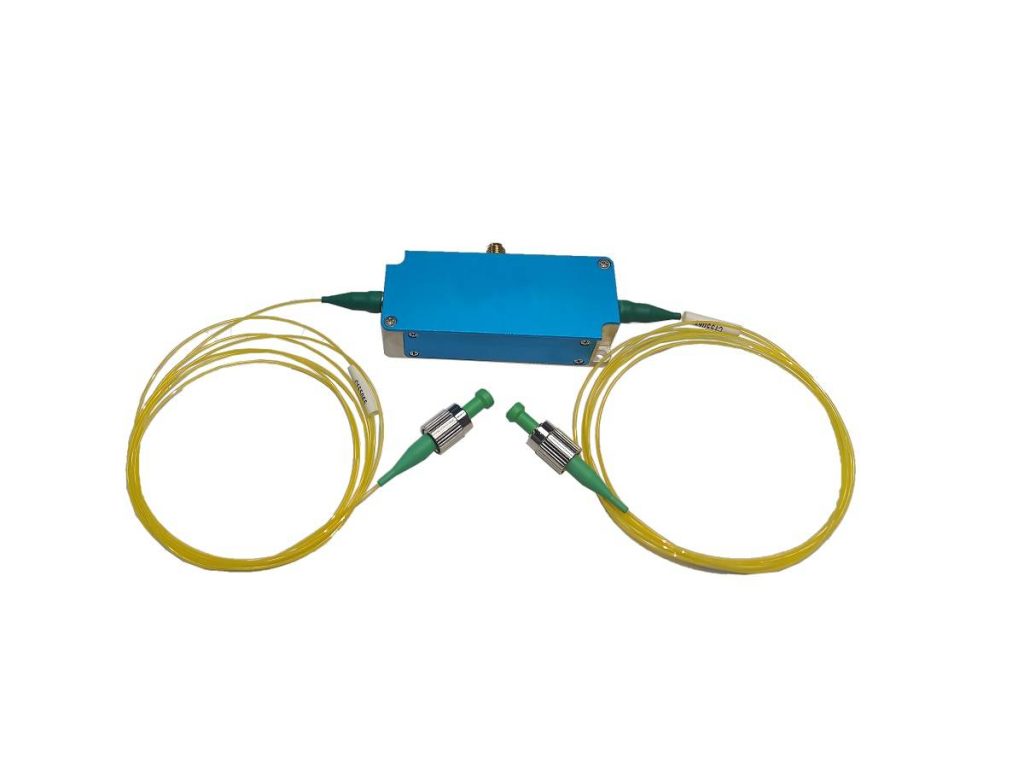
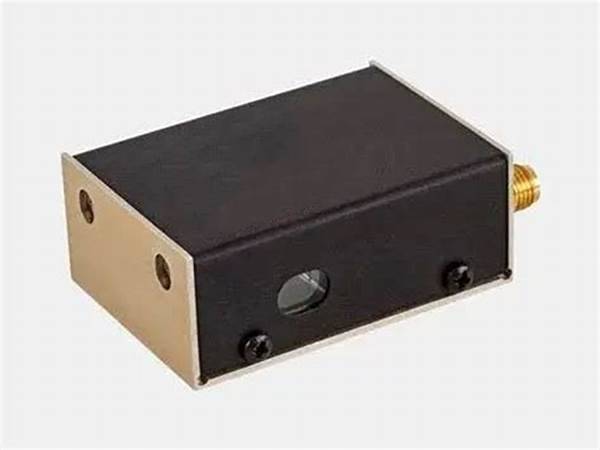
An AOD (Acoustic Optic Deflector) is a device that uses sound to control light, which means that a laser beam is effectively bent without any mechanical elements. The AOD produces ultrasonic waves that propagate through a crystal, and thereby refractive index in a very small and fast manner is created throughout the crystal. The variations serve as dynamic diffraction grating when the laser beam passes the crystal, thus redirecting the beam at very specific angles.
The speed of the beam can be controlled by changing the frequency of the sound waves. The AOD is able to do this in a very fast manner, almost instantly. In contrast to traditional mirrors which are moved physically, the AOD changes the path of the light electronically, thus allowing thousands of deflections within a second.
The result of all this for the end-users is an improved performance mainly via faster scans, higher precision, and no delays in operation. The nonexistence of moving parts in the system also means no vibration and very little maintenance, so the technology is well suited for both hobbyists and professional applications.
The Benefits of Inertia-Free Steering
One of the primary benefits of applying an AOD in 3D scanning is the absence of inertia in the operation. The speed of mechanical scanners is dependent on the rate of movement of the mirror or the motor. Time, energy, and increased wear are involved in the process of accelerating and decelerating large parts. An acoustic optical deflector completely avoids these limitations.
Let’s look at the main advantages:
- Speed That is Just Incredible: AODs are capable of deflecting laser beams within microseconds, which results in a rapid point-by-point scanning of the most complex objects. The high frequency is a must for attaining the real-time 3D data, especially when scanning dynamic environments or moving targets.
- High Precision: The electronic steering of lasers provides the control of micron-level accuracy for each beam deflection. This leads to the creation of 3D scans with high fidelity and detailed surface maps that are free of mechanical errors.
- Durability: The absence of moving parts makes AODs less vulnerable to the effects of wear and tear. AODs in consumer devices last longer and need very little servicing, which makes them appealing to both amateur and professional users.
- Compactness: The solid-state architecture enables the manufacture of compact and lightweight 3D scanning systems. Consequently, AOD laser scanners are perfectly suited for drones, portable handheld devices, and miniature robotic platforms.
In conclusion, the no-inertia steering technique has enabled the 3D scanners to realize the combination of speed and accuracy never dreamt of prior to the application of the conventional mechanical systems.
Building a High-Speed 3D Scanner with Acoustic Optic Deflectors
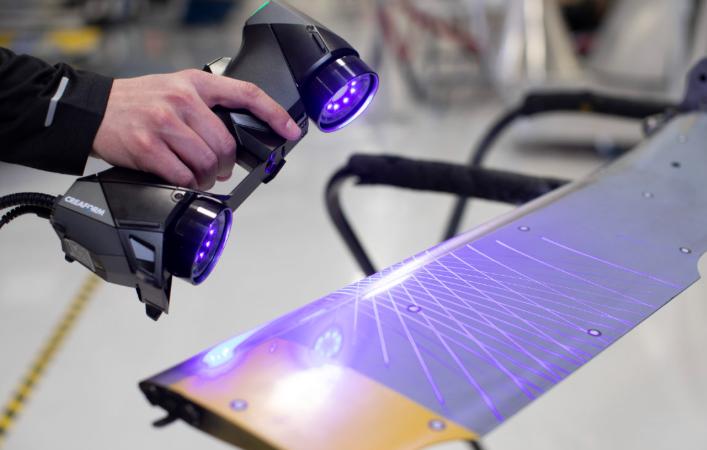
The step of integrating an AOD with a 3D scanning system makes it possible to use a laser for high-speed scanning. In most basic terms, the system comprises three main parts:
- Laser Source – A laser beam that is coherent and highly concentrated lights up the object, thus providing the necessary illumination for very accurate scanning.
- Acoustic Optic Deflector (AOD) – The laser beam then goes through the AOD, where it gets redirected by sound waves over the surface. The laser’s direction and speed can be controlled by changing the frequency of the sound waves, which results in quick and precise scans.
- Sensor and Imaging System – The light that gets reflected is then collected by a sensor or camera that captures the distance and shape information, and thus, a 3D model is created through the recording.
The ability of the AOD to deflect the laser in a thousand ways per second says that even complicated surfaces can still be scanned fast and precisely. This implies that intricate 3D models for printing, AR applications, or digital storage can be done with little setup.
Although aligning with precision, crystal quality, and software processing are vital, many consumer kits now make these steps easier, thus opening up access to AOD-powered scanning outside of professional labs. The end product is a scanner that is very fast and reliable, with the combined features of speed, accuracy, and durability packed in a small design.
Conclusion and Outlook
The deflectors based on an acoustic-optical-principle are revolutionizing the 3D scanning process by providing ultra-fast, very accurate, and non-stop beam steering. The removal of mechanically operated parts has made it possible to conduct fast and detailed scans that are of very high quality and could not be produced earlier with traditional mechanical systems. This means scanning for 3D printing is done faster, drones are more agile, and the AR/VR experiences are highly improved.
With the advent of the very compact, less costly, and easily integrated technology, solid-state 3D scanners will likely find their way into every home, studio, and small business as the technology becomes more common. In the future, AODs are synonymous with a scenario where rapid and precise scanning will be the norm, available, trustworthy, and covered by everyday technology.