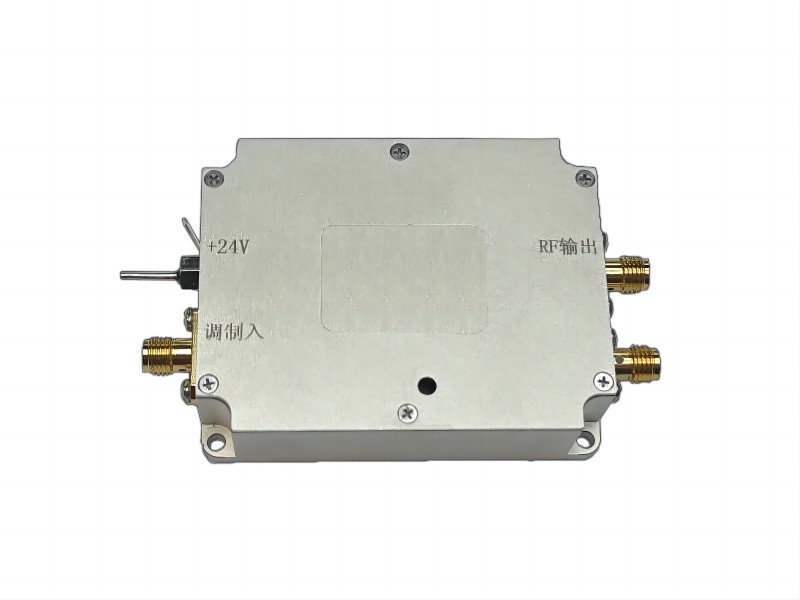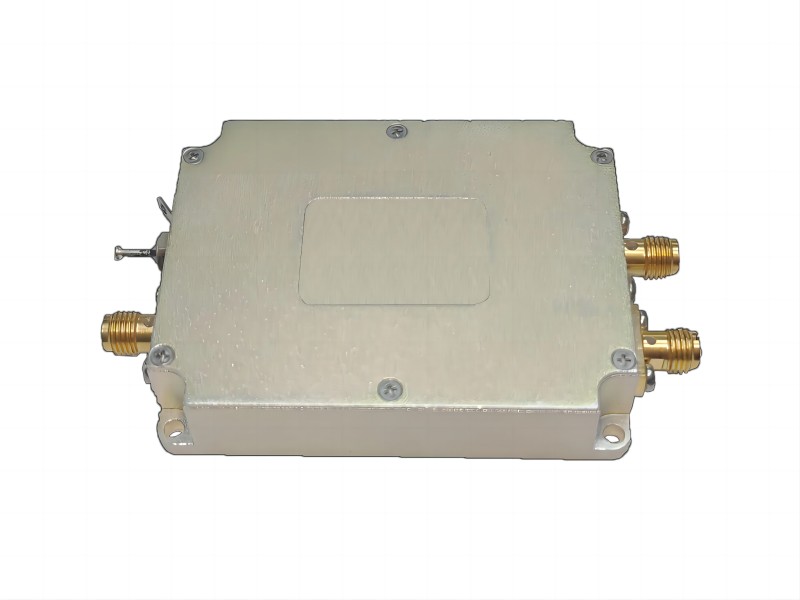
What to Check Before Replacing an AOM Driver in an Industrial Laser System
In an industrial laser system, replacing an acousto optic modulator driver(AOM driver) is not merely a matter of changing a module. Although the current driver may have aging characteristics, drifting, or a decrease in performance, a nonchalant change may result in an unstable system, degraded modulation efficiency, or even damage to the hardware.
Knowing the essential verifications that need to be done before a changeover guarantees a seamless process and a dependable operation.
Why the Existing AOM Driver Needs Replacement
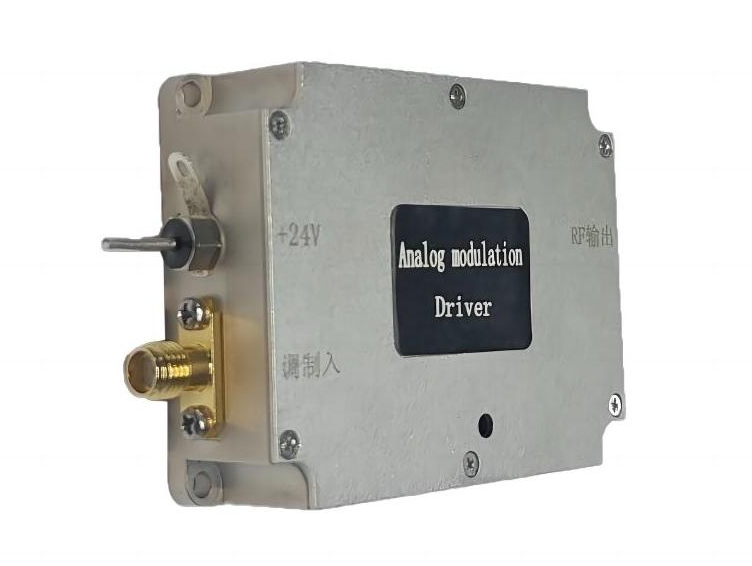
Before looking for a new one, it is very important to make sure that the AOM driver is the one causing the trouble. Performance problems in an industrial laser system might come from the AOM driver, the AOM crystal, or the laser source.
The major symptoms that indicate a replacement might be needed are:
- Reduction of modulation depth over a long period
- Power instability or signal noise
- Frequency drift, which affects laser precision
- Intermittent operation or failure during continuous usage
Finding the root cause avoids unnecessary replacements. Often, maintenance or small adjustments can make the system perform as if the driver were not changed at all. However, when the driver’s limitations are such that they cannot support the current system’s needs, a proper replacement plan becomes a necessity.
Electrical and RF Compatibility with the Existing Laser System
Post-replacement electrical and RF mismatches are the prime causes of failure in most cases. No matter how similar a new driver looks, differences like these can impact the whole system’s performance.
The main factors to be taken into consideration are:
- Frequency matching – Double-check that the RF frequency aligns with the AOM crystal’s resonant frequency. A MHz or two difference can cause the diffraction efficiency to go down significantly.
- RF output power – Consider the driver as one with a very high power output, just enough to match the modulation depth set by the laser system.
- Control signals – Determine the compatibility of the signals with the existing interfaces, be they analog, digital, or TTL.
- Voltage and current limits – Keep the driver or the attached AOM crystal at safe operating levels.
Example Checklist for Electrical Compatibility
| Parameter | Existing Driver | Replacement Check |
| RF Frequency | 80 MHz | ±0.5 MHz tolerance |
| RF Power | 2 W | Match or exceed |
| Control Interface | Analog ±5V | Ensure signal type compatibility |
| Power Supply | 24 V DC | Confirm voltage and current ratings |
Ensuring electrical compatibility minimizes integration risks and avoids long troubleshooting sessions.
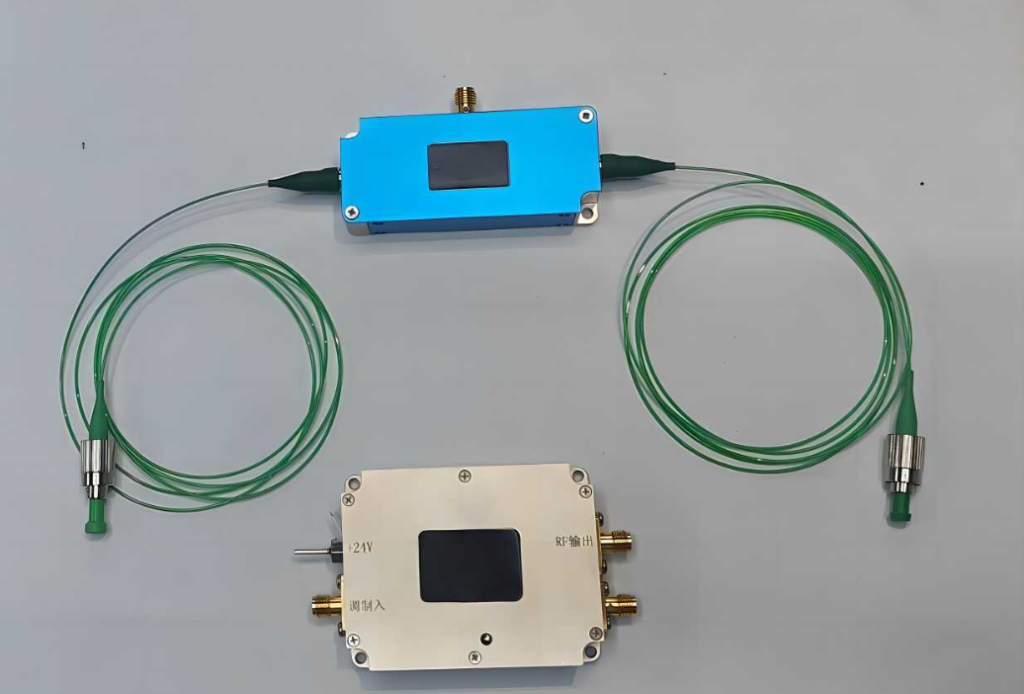
Mechanical, Thermal, and Integration Constraints
Mechanical and thermal factors are very important for industrial laser systems, but are neglected. The new AOM driver must be easily placed and be able to keep the heat very steady during the operational process.
Factors that need to be taken into account are:
- Form Factor and Mounting: The new driver must be physically compatible with and should match the existing chassis or mounting points. Misalignment can influence signal routing and cooling negatively.
- Thermal Management: Continuous high-power AOM drivers are major sources of heat generation. Take care that the system’s cooling solution measures up for uninterrupted operation.
- Industrial Environment: Conditions such as dust, vibration, and temperature changes can affect the reliability of the system in the long run. Only the industrial-grade drivers built for the toughest environments should be considered.
Tip: A solution that fulfills the electrical requirements but is mechanically or thermally incompatible can cause the whole laser system to fail.
Performance Validation After Replacing an AOM Driver
Validation is to be done before the full system operation, even if the substitute driver seems compatible in both electrical and mechanical ways. The parameters that have the most significant impact on laser modulation performance should be the focus of the validation.
- Modulation Depth: Make sure the driver is capable of providing the desired diffraction efficiency with the AOM crystal.
- Stability: Measure RF output amplitude and frequency during a certain time to guarantee a stable performance.
- Noise and Jitter: Test the driver to make sure it is not causing any further signal distortion.
Short-Term vs Long-Term Testing: The first testing might show that everything is working well, but it is still necessary to do long-term trials under full load conditions to find out about thermal drift or material degradation.
Key Performance Parameters to Verify After Installation
| Parameter | Recommended Check | Notes |
| RF Frequency | Monitor for over hours of continuous operation | Must match AOM resonance |
| RF Output Power | Peak & average with power meter | Avoid overheating or under-driving |
| Modulation Stability | Monitor over hours of continuous operation | Detect drift or thermal effects |
| Noise/Jitter | Oscilloscope observation | Ensure signal quality |

When to Consider a Custom or OEM AOM Driver Solution?
In practical industrial laser systems, it is not always possible to simply substitute an AOM driver with an off-the-shelf model to eliminate the issue. Even if the data sheets show acceptable values, the integration or protracted use not infrequently gives rise to limitations.
It may be the case that you could look into a custom or OEM AOM driver in instances where standard choices lead to the compromise of either performance or stability of the system.
Typical scenarios are:
- The non-standard RF frequency on which your system operates is not supported by the majority of the commercial AOM drivers available in the market.
- To achieve the required modulation depth, the RF power needs to be increased, but standard drivers are already operating at their max limits.
- The signal logic and the control interface do not correspond to your current laser controller.
- The system either operates continuously or has a high duty cycle that brings long-term thermal stability to be a great concern.
- You require an OEM or a series-production laser system with constant specifications and availability.
In these kinds of situations, a custom-built driver for AOM can make the process easier rather than more complicated. Your laser setup does not need to be accommodated by a standard driver; rather, a driver is built with specific working parameters in mind.
Furthermore, working closely with an experienced driver producer for AOM can also enable the optimization of critical parameters like RF frequency, output power, thermal design, and mechanical design. With this, unexpected performances associated with system testing can be eliminated. Such laser systems are mostly used in an industrial setting with a longer lifespan.