Key Market Drivers for Opto Acoustic Modulators in Semiconductor Manufacturing 2026
Semiconductor manufacturing is continually advancing towards smaller nodes, increasing throughput, and improving process control. This is driving the need for stable and well-controlled laser systems, especially in semiconductor manufacturing equipment. Therefore, optical modulation techniques are gaining importance in semiconductor manufacturing environments.
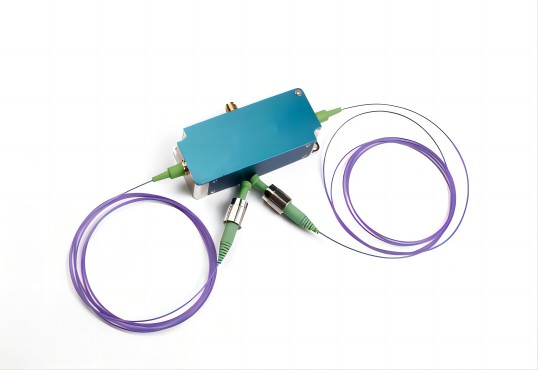
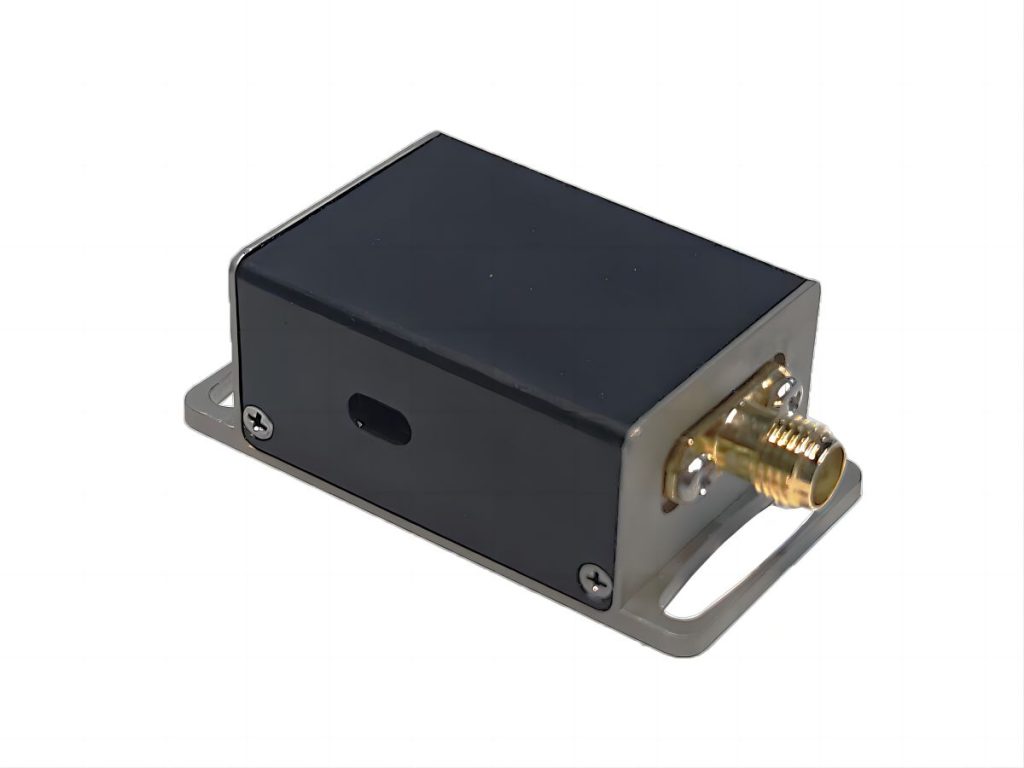
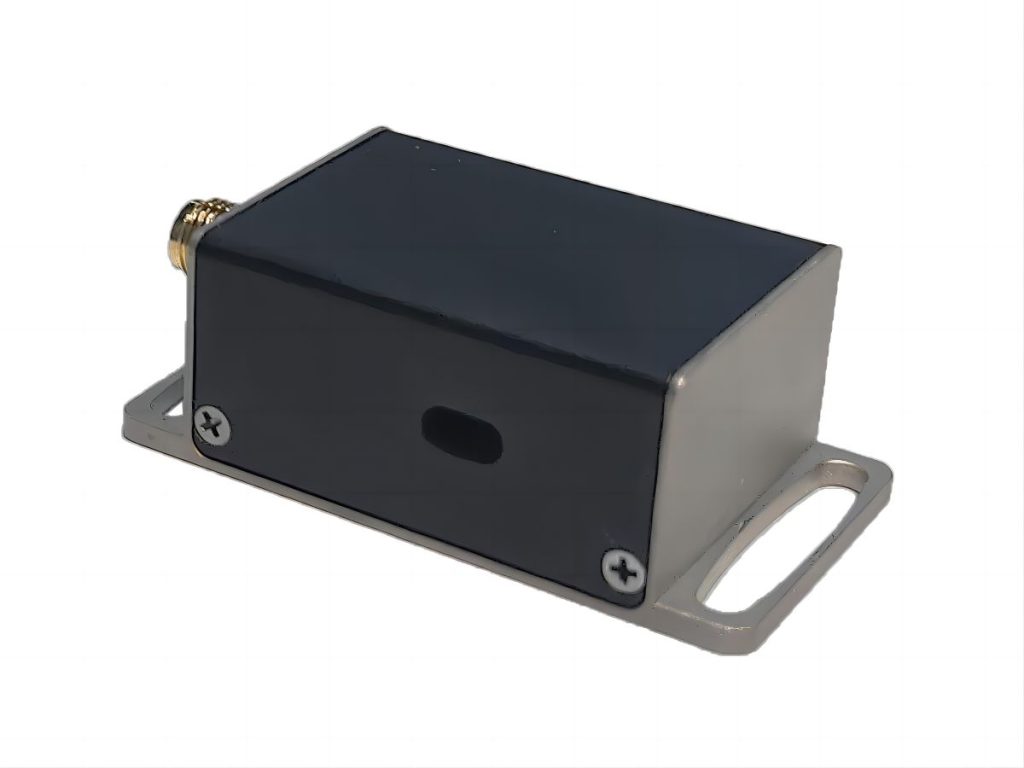
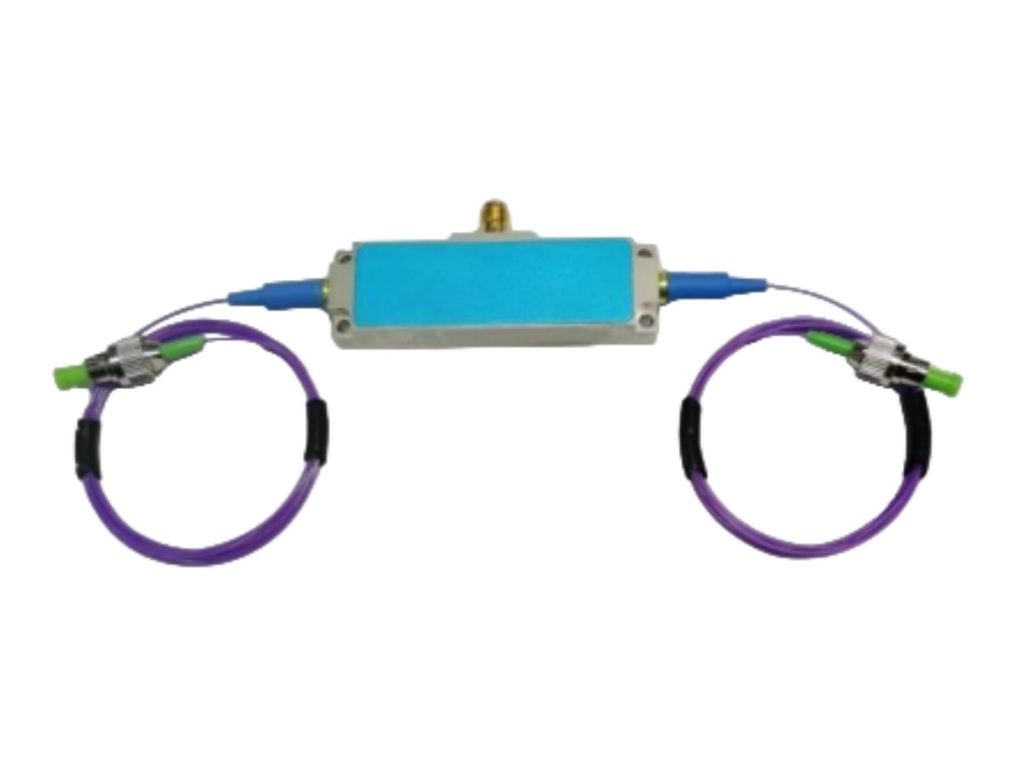
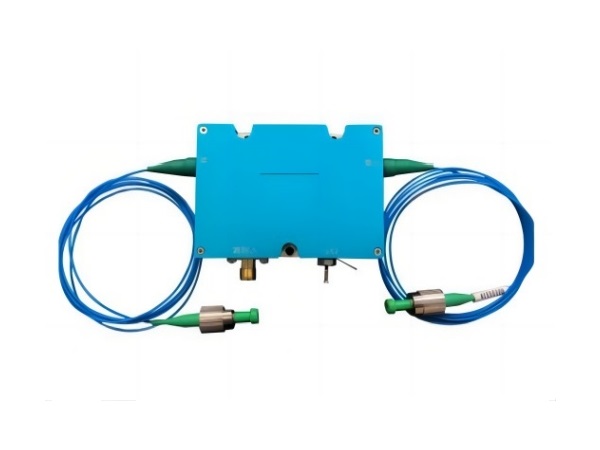
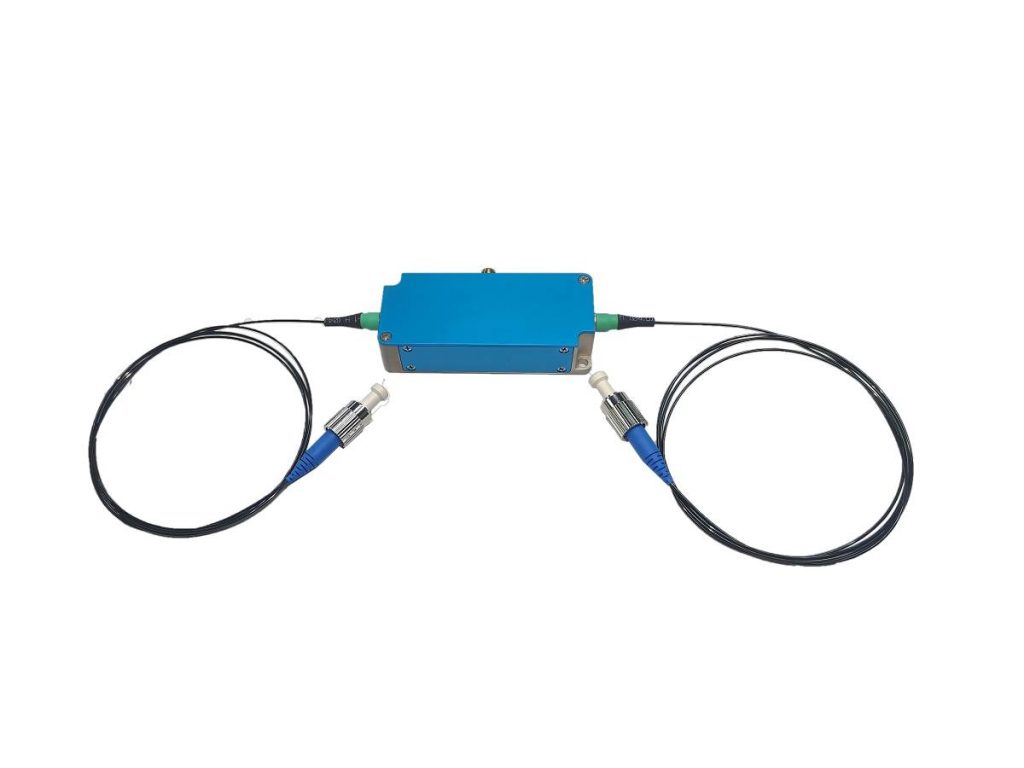
Opto-acoustic modulators, also called acousto-optic modulators (AOMs), have found wide use in various applications to modulate laser intensity, frequency. Due to their ability to provide high-speed modulations, these modulators have found their place in various precision industrial applications. In semiconductor manufacturing, these modulators help ensure a stable output from lasers, especially during processes where micron- or even nanometer-order precision is required.
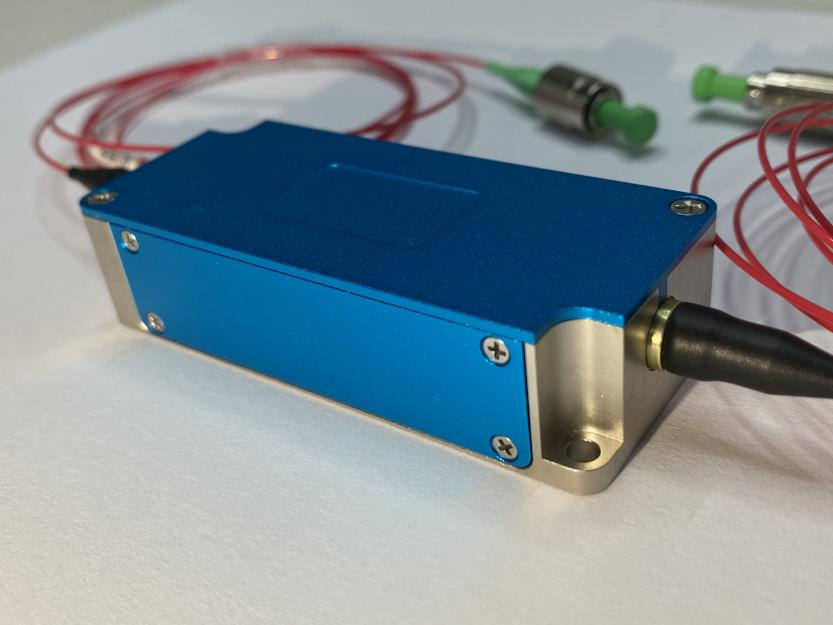
Expansion of Global Semiconductor Manufacturing
Global semiconductor production capacity has increased significantly in the last few years. There are several factors contributing to the increase in the production capacity of semiconductors, including artificial intelligence, high-performance computing, automotive electronics, data infrastructure, etc.

According to industry data from the Semiconductor Industry Association (SIA), global semiconductor sales reached record levels in 2025 — approximately $792 billion — with projections pointing to nearly $1 trillion in 2026 annual revenue, supported by strong demand from advanced computing, AI, and connected devices markets.
A large number of precision optical systems, including laser processing tools, wafer inspection, and lithography tools, are needed for each new fabrication facility. These optical systems depend on stable laser modulation for reliable performance over extended periods of time. This is an increasing requirement as the number of fabrication facilities grows.
Increasing Demand for High-Precision Laser Control
Lasers are important in the manufacture of semiconductors. Many procedures require accurate control of laser output to ensure precision and consistency.
Laser-Based Processes in Semiconductor Production
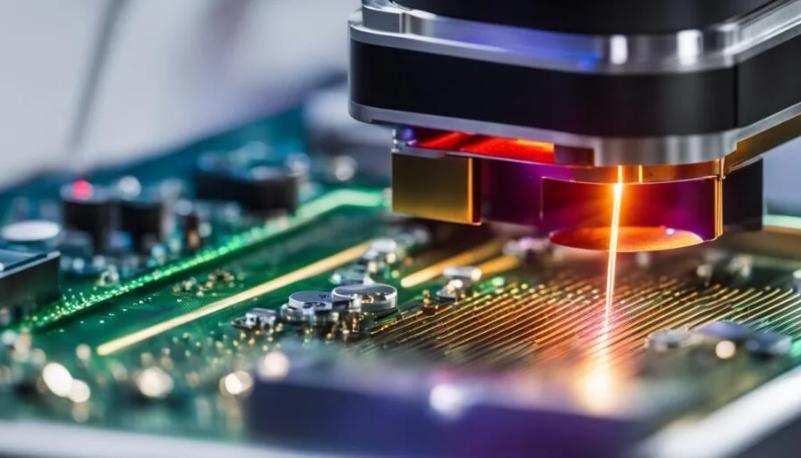
Some semiconductor production procedures require laser technology to operate effectively:
- Wafer inspection systems utilize laser beams to identify imperfections and impurities on a semiconductor’s surface.
- Laser trimming is a process that adjusts the properties of a manufactured integrated circuit.
- Microfabrication procedures utilize concentrated laser beams to alter a material’s properties.
- Laser marking systems provide identification marks on a semiconductor’s surface.
In each of these applications, the stability of the laser beam directly affects measurement accuracy and production yield.
Optical modulation devices are therefore used to regulate the laser beam before it reaches the target. These devices adjust the laser intensity in real time, allowing semiconductor equipment to maintain precise control over the optical output.
Advantages of Opto Acoustic Modulators for Laser Systems
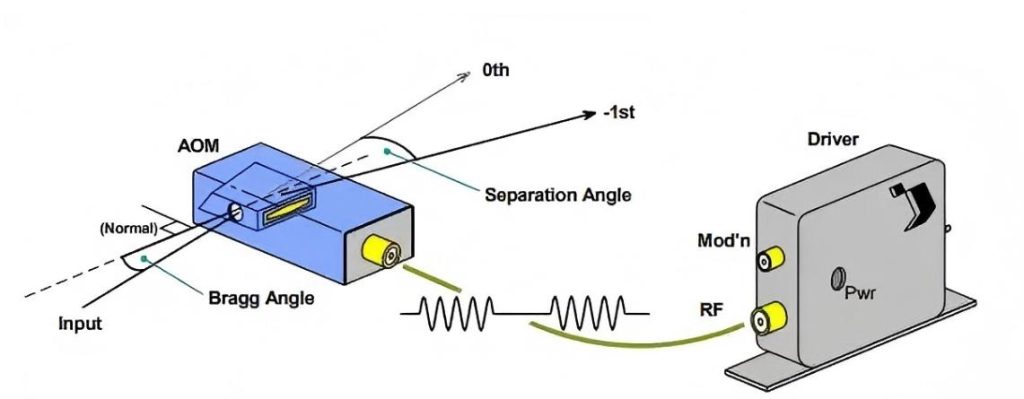
AOMs have found extensive use in laser control systems due to various benefits.
One such advantage is that AOMs have high switching speeds, meaning their switching frequencies can go up to tens or even hundreds of megahertz. This enables laser devices to quickly respond to control signals during automated processes.
Another advantage is that AOMs enable precise control of the intensity of the beam. This is done by adjusting the radio frequency signal applied to the AOM, thus enabling precise control of the amount of light deflected into the output beam.
Thirdly, these devices offer a reliable and predictable optical performance. Because the modulation process relies on acoustic waves inside a crystal rather than mechanical movement, the system can operate reliably in high-throughput industrial environments.
These characteristics make AOMs appropriate for use in semiconductor manufacturing systems that require rapid and reliable control of laser beams.
Growth of Advanced Photolithography Technologies
Photolithography remains one of the most critical steps in semiconductor fabrication. As chip features become smaller, the exposure process requires increasingly precise control over light intensity and beam characteristics.
Role of Optical Modulation in Lithography
During lithography, light is utilized to transfer circuit patterns present on a photomask onto a photosensitive material present on the wafer. The precision of this process relies on maintaining consistent optical exposure across the wafer surface.
Optical modulation is utilized to regulate various parameters, such as:
- Laser power stability
- Beam intensity distribution
- Pulse timing, especially during scanning processes
If there is a variation in exposure levels, the circuit patterns created may not correspond to their desired sizes. This could result in line width variations, among other defects.
Thus, many lithography or laser writing techniques incorporate optical modulators within their design.
How AOM Improves Lithography Performance
AOMs have various benefits that can be leveraged to enhance the performance of a lithography system.
One such advantage is that AOMs enable precise control of laser beam power during exposure. The power level may be increased or decreased by adjusting the RF driver signal.
A second advantage is that AOMs enable pulse shaping and fast beam modulation. This is important in scanning systems that require rapid switching of the laser beam during scanning across the surface.
Finally, AOMs enable beam stability during long periods of operation. In a high-volume semiconductor manufacturing process, equipment may be in use for long periods. Stable optical components help maintain consistent processing conditions and reduce system drift.
Integration with Silicon Photonics and Advanced Optical Systems
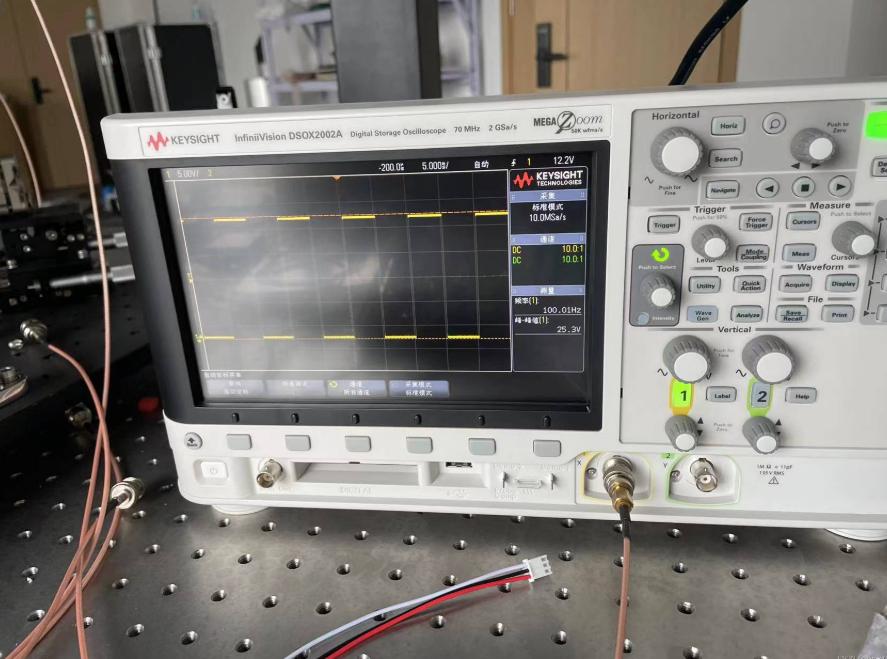
Semiconductor processing equipment is increasingly using advanced optical architectures. Inspection equipment, laser processing systems, and optical metrology systems require reliable light sources and precise control of light beams. Semiconductor processing is moving towards smaller geometries and increased throughput; hence, optical devices need to provide faster response times and more accurate control of laser beams.
Opto-acoustic modulators are used in these systems to provide several important functions:
- Laser power stabilization to ensure that illumination is consistent during wafer inspection and measurement.
- Fast beam modulation, which is required for scanning and high-speed imaging.
- Accurate intensity control, especially during trimming or microfabrication processes using lasers.
- Compatibility with various wavelengths of lasers, enabling integration with various semiconductor equipment platforms.
AOMs use acoustic waves in optical crystals, not mechanical motion, to modulate light, thus providing stability. This makes them well-suited for integration into modern semiconductor tools where long-term stability and precise optical control are required.
How SMART SCI&TECH Are Supporting Advanced Semiconductor Manufacturing?
Opto-acoustic modulators have a critical role in ensuring precise laser control in a variety of semiconductor fabrication and inspection equipment. High-frequency AOMs allow for quick and precise laser modulation for applications in laser trimming, wafer inspection, and micro-fabrication.
SMART SCI&TECH is committed to providing custom opto-acoustic modulators for the unique demands required in the field of semiconductor processing. We can provide you with modulators designed for specific laser wavelengths and modulation frequencies for optimal performance in any environment. Our AOMs have high diffraction efficiency, low thermal drift, and long-term stability for optimal performance in any environment.
By integrating our high-performance AOMs with our experienced engineers, semiconductor equipment manufacturers can take advantage of increased process accuracy and yield, as well as stable laser performance. Being a reliable partner for your opto-acoustic modulator needs ensures you have the competitive edge in the field!