Utilize Acousto-Optic Deflectors for Improving Laser Material Processing
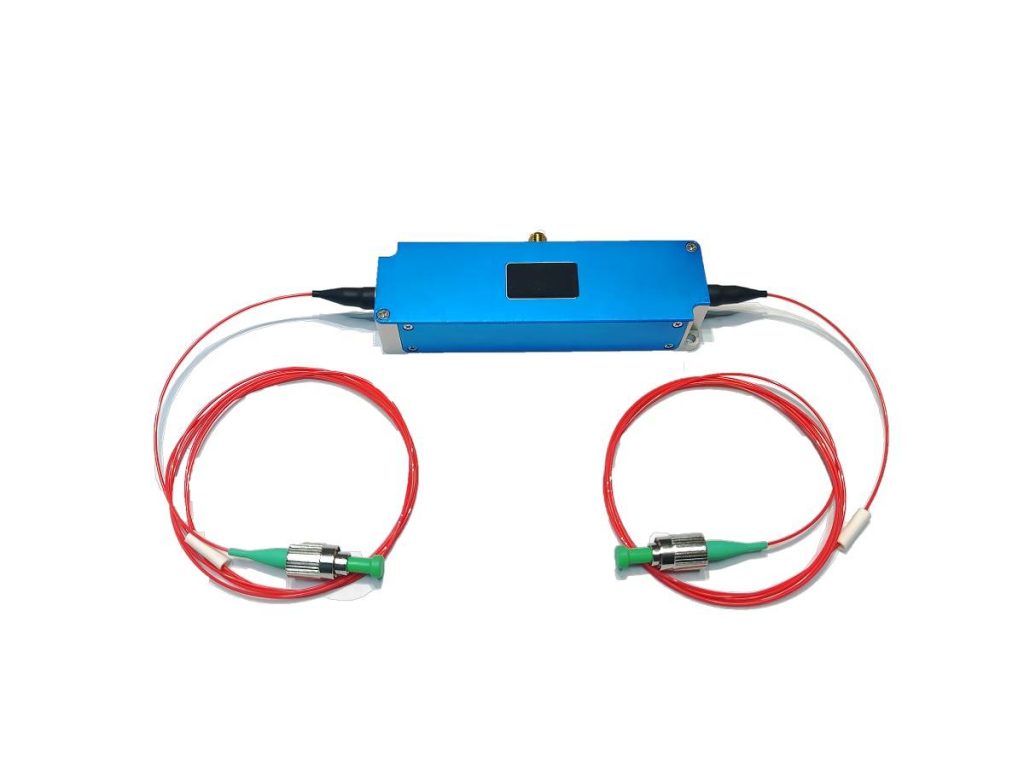
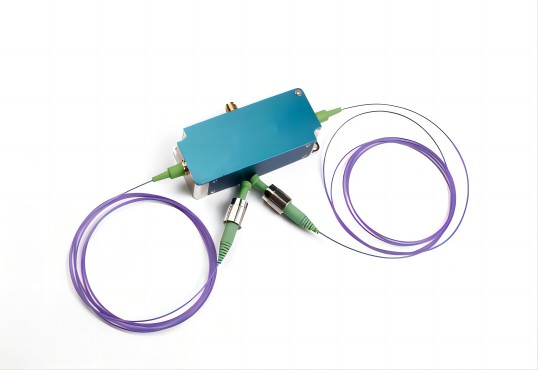
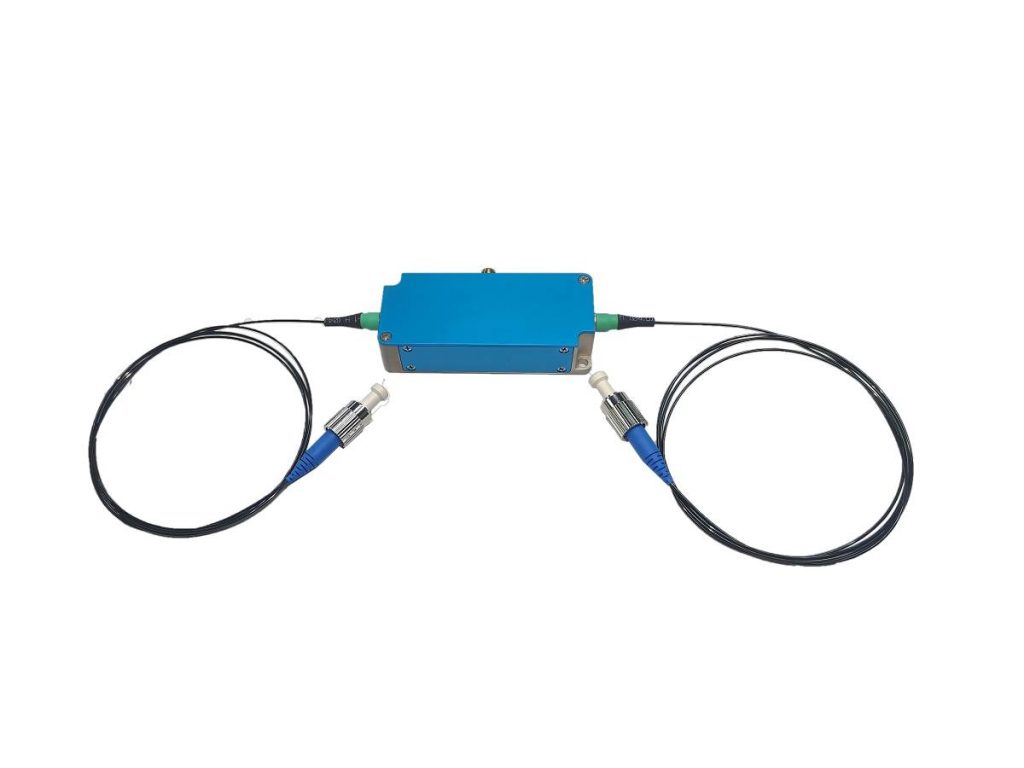
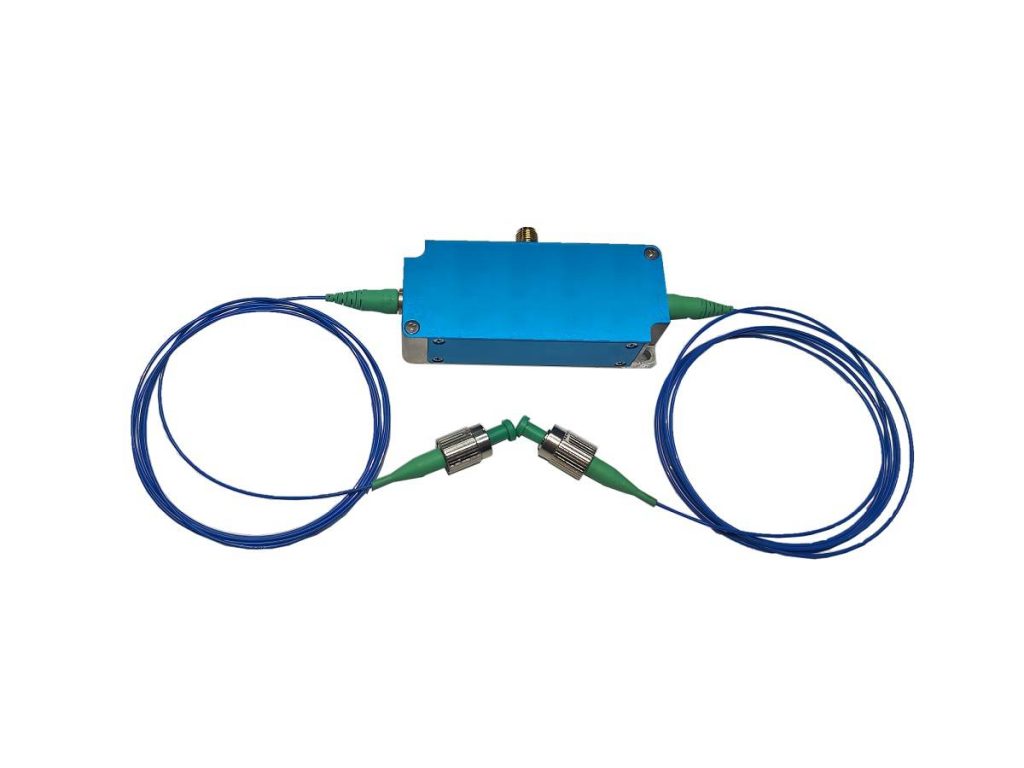
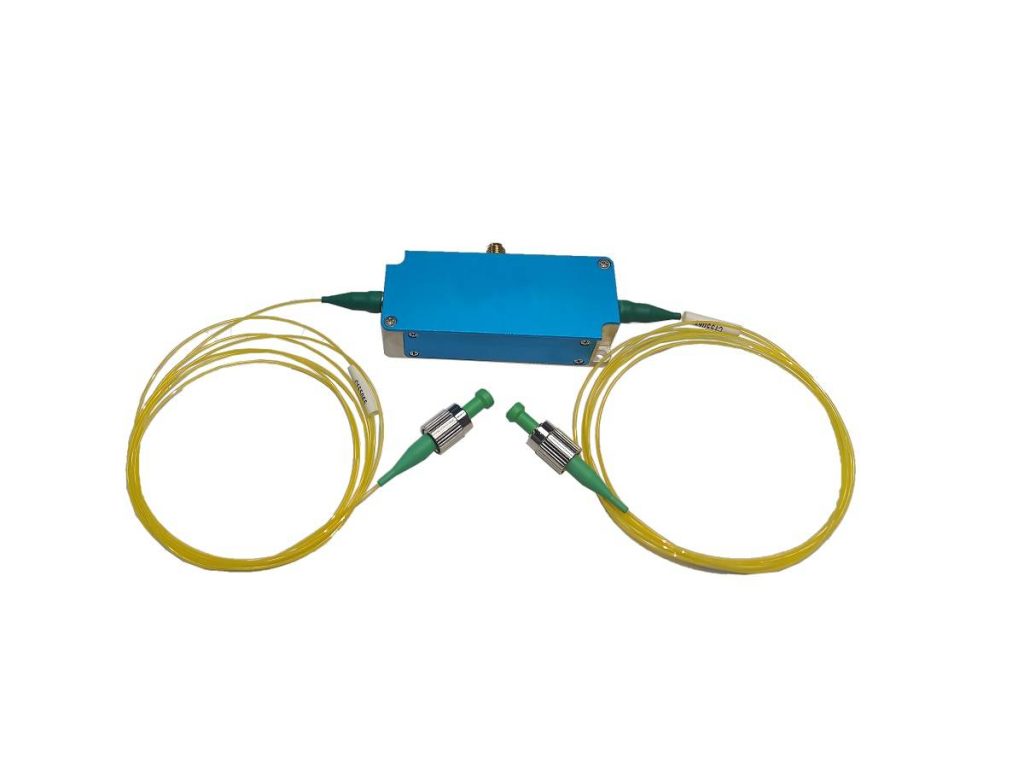
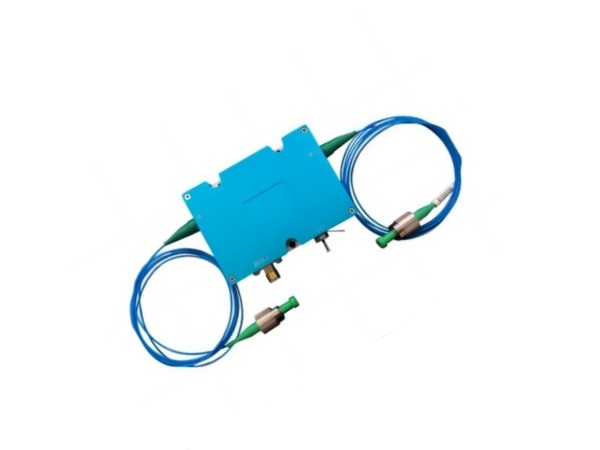
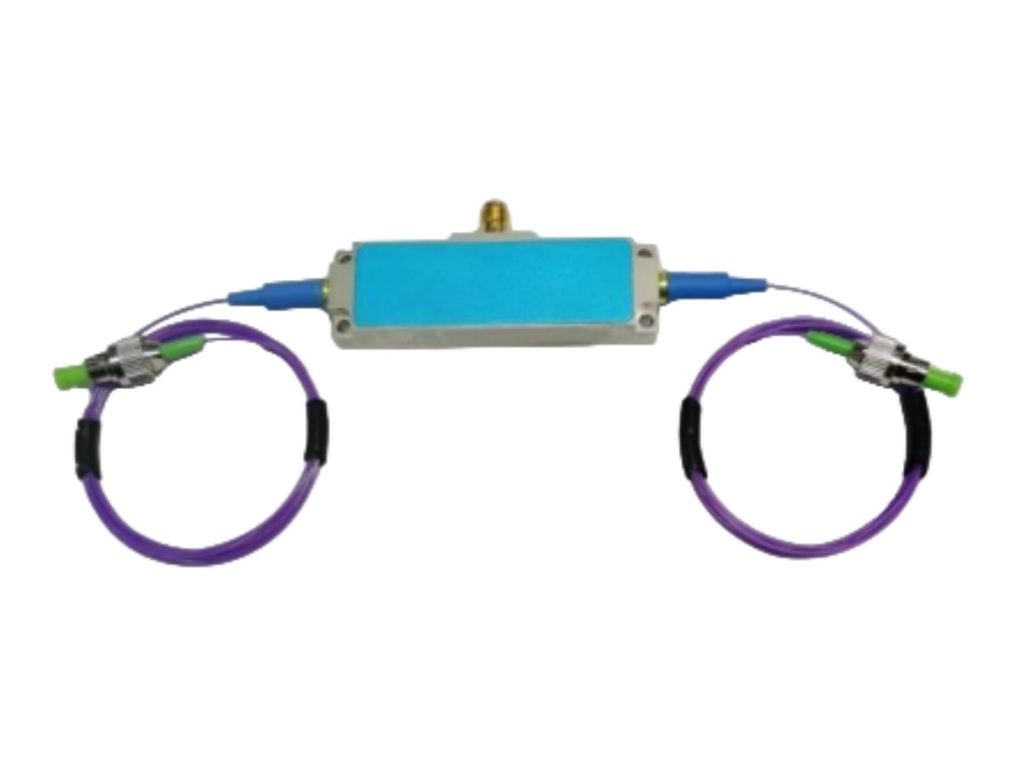
Accuracy, speed and flexibility are of utmost importance in modern laser material processing. In scenarios such as cutting, engraving or surface structuring, the ability to control the laser beam in real time determines the quality of the processing procedure.Acousto-optic deflectors (AOD)are being increasingly utilized in laser material processing systems for optimization due to their characteristic of enabling rapid, precise and programmable beam control without the need for moving parts.
Why Beam Control Matters in Laser Material Processing?

Laser processing typically relies on repetitive scanning patterns. Traditional galvanometer scanners have limitations – although they are fast, they are still inadequate in terms of extremely high repetition frequencies and precise spot control. However, acoustic-optic deflectors utilize sound waves to deflect the laser beam, enabling microsecond-level switching speed and precise positioning. This capability can be directly translated into:
- More uniform energy deposition
- Reduced heat-affected zones
- Higher throughput without sacrificing quality
When operators notice uneven cutting, inconsistent engraving depth, or slow scanning speed, the beam control often becomes a bottleneck. However, integrating an acousto-optic deflector can dynamically control the laser path and adapt to complex patterns or constantly changing material properties in real time.
Choosing the Right AOD for Laser Processing
However, the performance of different acoustic-optic modulators varies significantly. To make the best use of their capabilities, it is necessary to select the appropriate device. The key parameters include diffraction efficiency, aperture size, deflection angle, and RF driver compatibility, among others. Additionally, for high-power lasers, heat dissipation performance is crucial because overheating reduces diffraction efficiency and causes beam distortion.
The following is a simplified comparison of the specifications of common acoustic-optic modulators used in material processing applications:
| Parameter | Typical Range | Impact on Processing |
| Deflection angle | 10–25 mrad | Determines maximum scan area without moving optics |
| Aperture size | 3–10 mm | Affects beam diameter and optical throughput |
| Diffraction efficiency | 70–95% | Directly impacts laser power delivered to material |
| Rise time | 0.5–2 µs | Limits scanning speed and pattern resolution |
Matching AOD with the power, wavelength and required scanning area of the laser can minimize energy loss and maintain high process stability.
Acousto-Optic Deflectors Integration Considerations
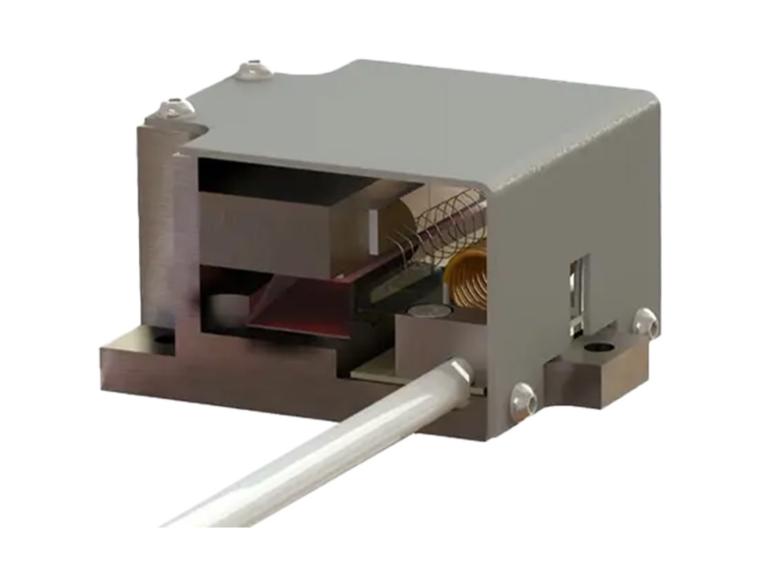
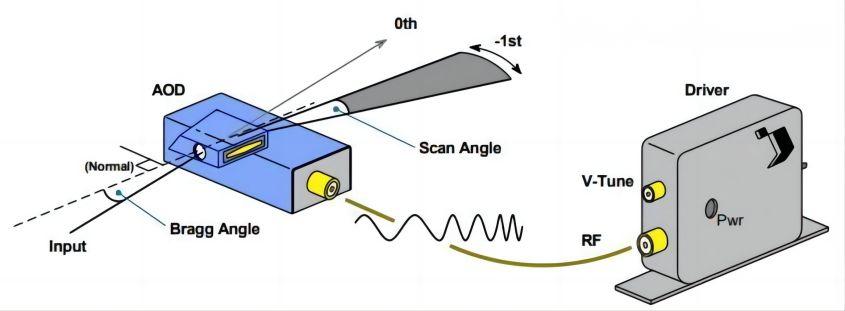
Beyond selecting the appropriate acoustic-optic modulator. Alignment and RF drive optimization are crucial. Even a tiny angle deviation can reduce diffraction efficiency or introduce beam distortion. Similarly, the RF drive power must match the requirements of the device; too low power will reduce modulation depth, while too high power will generate excessive heat.
At high repetition rates, more attention needs to be paid to the thermal effect. The AOD crystal dissipates energy through acoustic absorption, and local heating subtly alters the Bragg conditions, thereby reducing the diffraction efficiency over time. In practical applications, even medium-power lasers require additional cooling measures, such as heat sinks or airflow management, to maintain stable results.
Another factor is the laser beam profile. Uniform illumination on the AOD aperture ensures stable diffraction efficiency. A non-uniform beam profile might cause hot spots or degrade the linearity of the scan, especially in dense patterns.
AOD’s Practical Advantages in Manufacturing
After proper integration, AODs provide tangible advantages in material processing:
- Speed: Microsecond-scale deflection enables faster scanning compared to galvanometers, enabling faster cutting and engraving.
- Accuracy: Sub-milliradian-scale deflection precision maintains spot accuracy, minimizing errors and material loss.
- Flexibility: AODs enable complex, programmable scanning patterns that dynamically change in real time, such as variable line spacing for different materials.
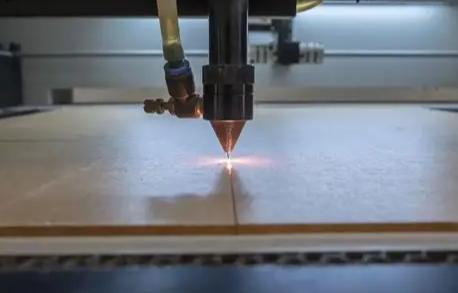
Users commonly have noticed improved edge quality, consistency in depth, and reduced post-processing cleanup when using AODs for high-speed engraving or detailed structuring.
Troubleshooting Common Issues with AOD
Even with the right AOD, performance can be affected by a few recurring factors. Here are some examples.
RF driver mismatch results in impedance or power mismatch which decreases effective diffraction and creates unstable scanning problems. The process needs to begin with RF power measurement at the crystal point because driver compatibility needs to undergo verification.
Beam misalignment occurs because AOD input suffers from minor angular and positional deviations which decrease diffraction efficiency. The system needs alignment adjustments to be performed while output power remains under observation.
Optical aperture limitation occurs because using a beam that exceeds AOD aperture size results in efficiency loss and beam clipping. The beam size needs adjustment through the use of focusing optics when the situation demands it.
Addressing these points early, your AOD operates reliably and consistently in a production environment.
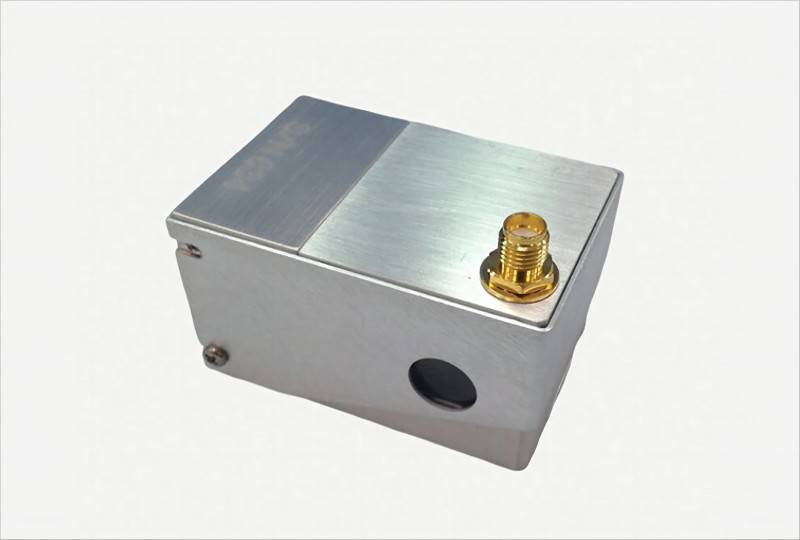
Acousto-optic deflectors enable precise beam control with high speed, thus increasing the efficiency of laser material processing. At SMART SCI&TECH, we offer high-performance AODs and customized solutions for industrial laser applications to help manufacturers make precise cuts.
Explore our entire product line of acousto-optic devices and contact us to find the best solution for your application. Learn more at SMART SCI&TECH