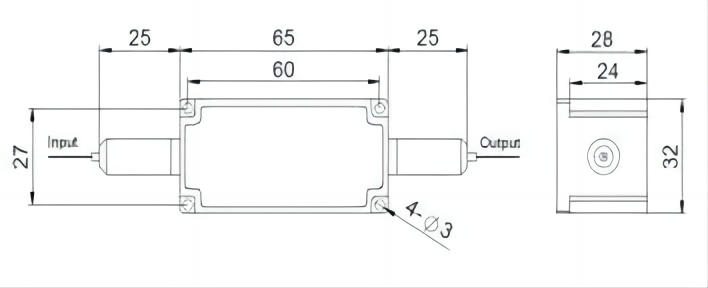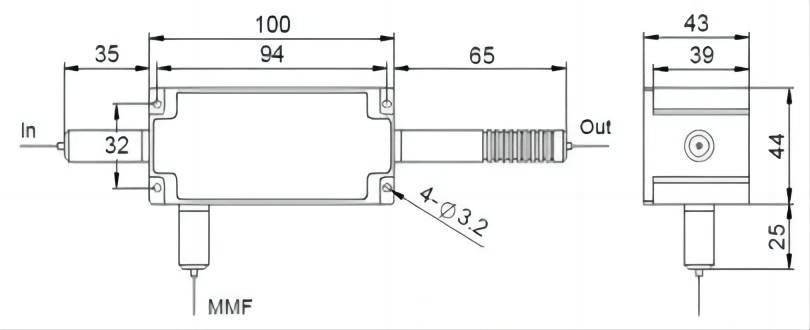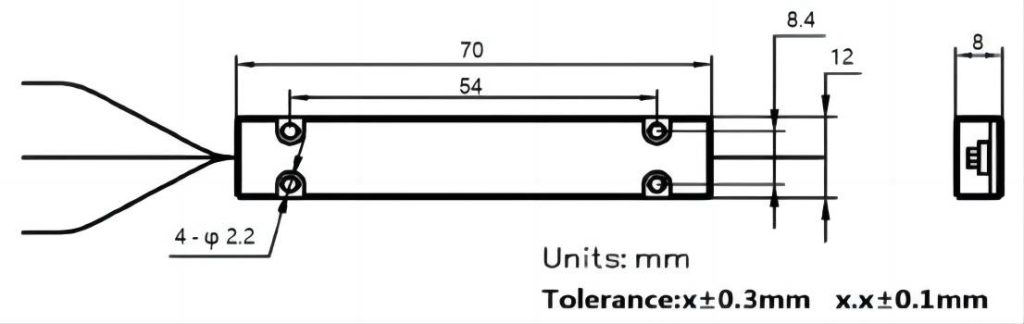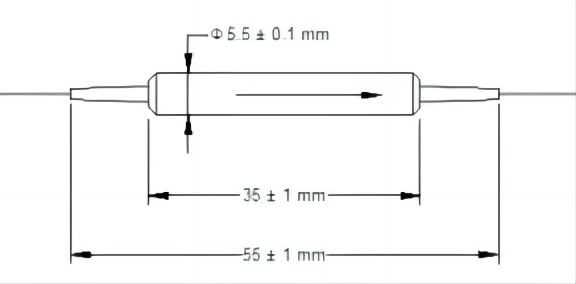
Passive Fiber Optic Components: Key Types, Functions, and Applications
As global networks evolve toward higher capacity and greater reliability, the importance of well-designed optical passive components continues to grow. Fiber optic passive components are the backbone of any optical communication system, ensuring that light signals can be transmitted, divided, filtered, or routed with minimum loss.
Whether in FTTH deployments, 5G fronthaul, data centers, or long-haul transmission, the use of appropriate passive solutions has a direct influence on network performance and, further, on long-term operational cost.
What Are Optical Passive Components and Why Do They Matter in Modern Networks
Optical passive components refer to devices that handle optical signals but require no outside electrical power. They act entirely due to the intrinsic properties of optical materials and structures in splitting, filtering, coupling, or isolating light within a fiber network. Since they do such functions without active electronics, they enjoy excellent stability, long service life, and minimal maintenance.
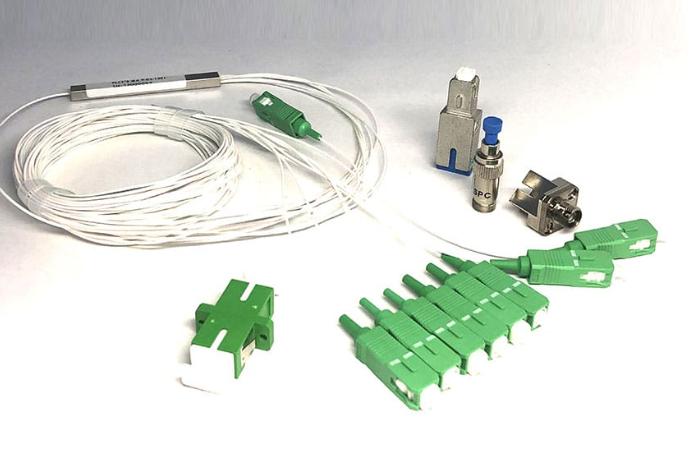
These elements go to the heart of how optical signals make their way across the network in contemporary communication infrastructures. They will determine the efficiency of bandwidth usage, the effectiveness in protecting the signals from interference, and the ease with which the connections can scale upwards with increasing demand. High-performance passive devices enable operators to maintain consistent transmission quality with low energy consumption. Reliability and precision of optical passive components become increasingly important for seamless system operation as networks further expand both in capacity and complexity.
Main Categories of Fiber Optic Passive Components Used in Today’s Transmission Systems
Fiber optic passive components come in a number of functional categories, each designed to control or condition light in a certain manner. They form a structural framework that allows modern optical networks to function effectively. The following are the leading component groups, in wide use across today’s transmission environments.
Optical Splitters
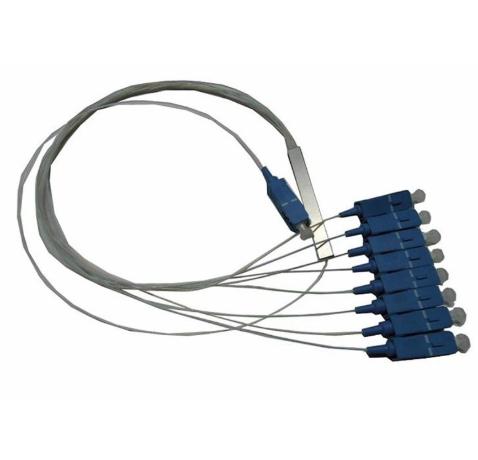
Optical splitters split the incoming optical signal into several output paths, thus enabling one fiber connection to feed multiple endpoints. PON and FTTH architectures rely on this capability as a means of reducing deployment costs and maximizing fiber utilization.
- PLC splitters boast high precision, excellent uniformity, and stable performance over broad wavelengths.
- In general, FBT splitters are used for smaller split ratios or applications where cost sensitivity is a concern.
Their effectiveness is determined by insertion loss, uniformity, and reliability over temperature changes.
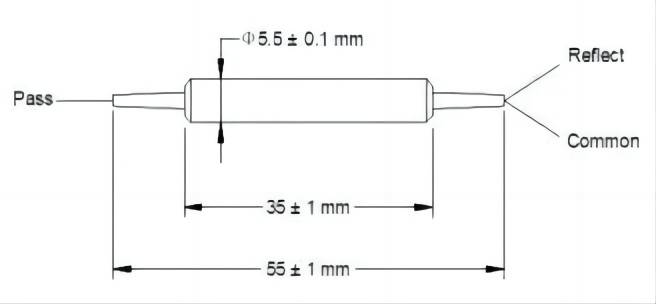
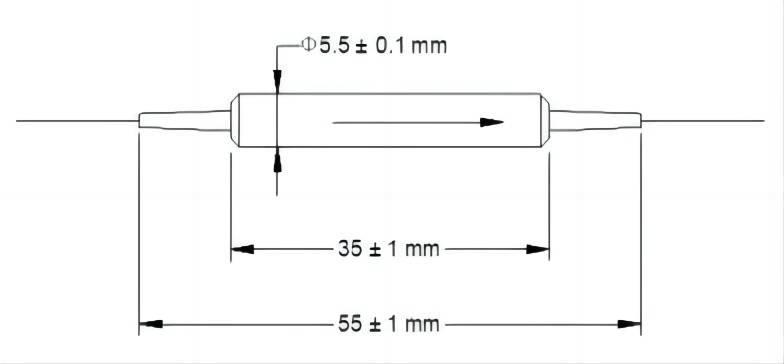
Fiber Optic Isolators and Circulators
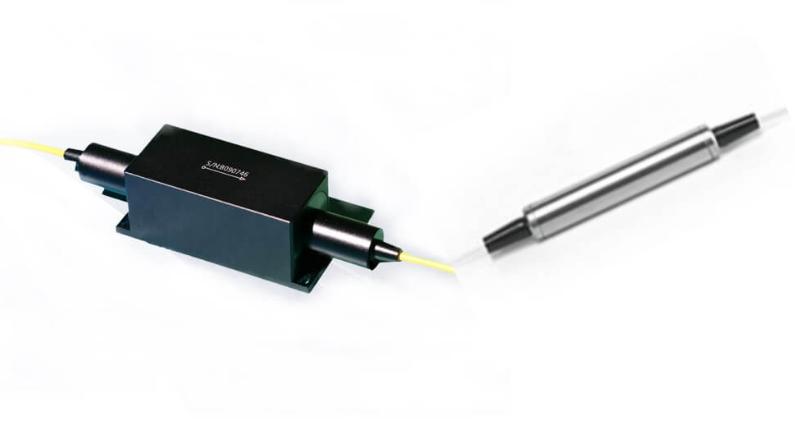
Isolators and circulators control the direction of light inside the fiber system, protecting sensitive components and allowing for advanced routing strategies.
- Isolators prevent back reflections and unwanted feedback that may otherwise interfere with lasers and degrade the quality of transmission.
- Circulators guide optical signals from port to port sequentially and may allow bidirectional communication on a single fiber. Furthermore, they support wavelength-sensitive applications.
These devices are indispensable in high-speed, high-capacity transmission systems.
Couplers and Attenuators
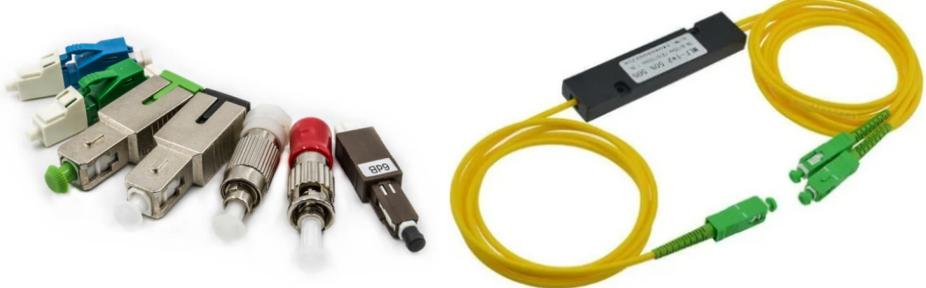
A coupler is used to combine or split optical power in controlled ratios, thus helping in signal monitoring, redundancy paths, and flexible optical layouts. Their performance is very dependent upon stability and accurate coupling ratios.
Attenuators decrease optical power to match receiver needs and prevent distortion or overload of a signal. Fixed and variable attenuators are designed based on system configuration requirements.
WDM Devices
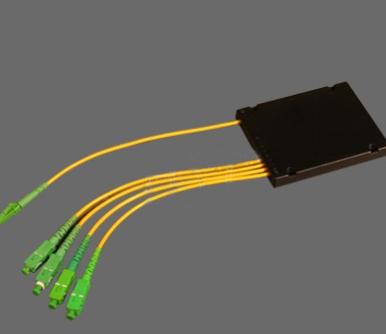
WDM devices separate or combine optical signals based on their wavelength, greatly enhancing the capacity of a network without laying more fiber.
Key device types include:
- Cost-effectively optimized CWDM modules for short- to medium-range links
- DWDM modules for long-haul and high-density transmission
- FWDM/MWDM units – now being extensively deployed in 5G fronthaul for efficient spectrum allocation.
WDM solutions support multi-channel transmission and enable scalable network growth.
Functions and Performance Benefits of Optical Passive Components
Optical passive components refer to elements that play indispensable roles in the manipulation and performance optimization of light signals in fiber optic networks. In contrast to active devices, they operate without the use of outside power and instead depend on their physical properties to conduct critical functions that support network performance and reliability.
Key Functions
- Routing and Distribution of Signals: Equipment like splitters and couplers route optical signals effectively to many branches, ensuring flexibility in network design and lowering the cost of infrastructure.
- Wavelength Control and Multiplexing: WDM devices allow multiple wavelengths to coexist on a single fiber, thereby increasing bandwidth utilization and allowing high-capacity transmission.
- Reflection and Interference Management: Isolators and circulators act to prevent back-reflections and protect sensitive transmitters, ensuring signal integrity across complex network architectures.
- Power Regulation: The role of attenuators is to regulate the level of optical power to avoid overloading the receiver and maintaining signal quality consistently.
Performance Benefits
High-quality fiber optic passive components provide measurable advantages to network operators:
- Low Insertion Loss: It minimizes signal degradation and ensures light is transmitted efficiently.
- Environmental Stability: Keeps performing well across temperature changes and extreme weather conditions.
- Reliability and Longevity: Passive design means minimum maintenance and a long period of operational life.
- Cost Efficiency: They decrease signal errors, network downtimes, and maintenance needs, thereby reducing the overall operation costs.
In all, optical passive components provide more than simple signal management; they add to stability, efficiency, and scalability of the entire network. Selection of components of good quality means networks can handle growing demands for data traffic while remaining reliable over time.
Applications of Fiber Optic Passive Components in Different Network Scenarios
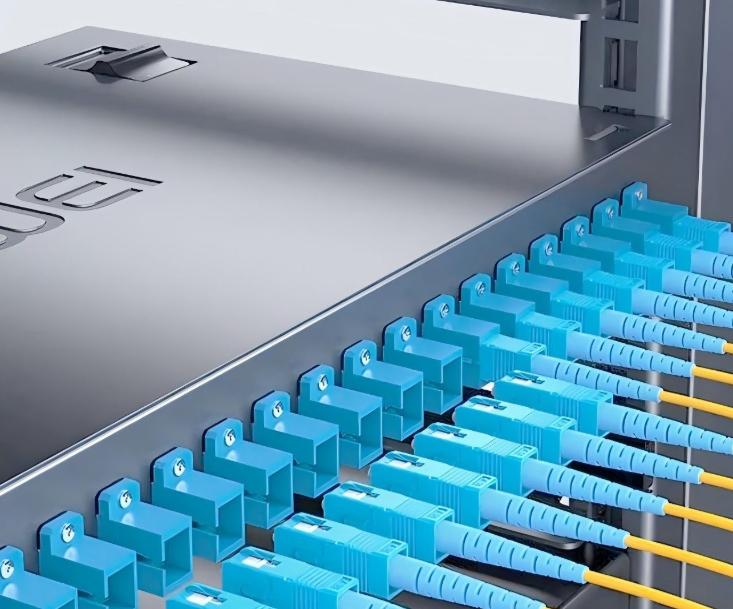
Passive fiber optic components play a vital role in various networks, ensuring stability, flexibility, and efficiency in multiple applications.
- FTTH and FTTx Networks: Splitters, couplers, and WDM devices allow service providers to effectively deliver fiber connectivity to homes and businesses, keeping infrastructure costs lower while continuing to provide high-quality signal distribution.
- 5G Fronthaul and Midhaul: MWDM and FWDM modules enable the operators to maximize their existing fiber resources and support high-bandwidth, low-latency 5G connectivity.
- Data Centers and Cloud Infrastructure: High-density connectors, couplers, and WDM solutions provide for proper signal routing, bandwidth usage, and reliability of interconnections in complex, high-capacity environments.
- Metro and Long-Haul Transmission: DWDM modules, isolators, and circulators preserve signal integrity over long distances, thus allowing high-capacity transport and low-latency communications.
- Industrial and Enterprise Networks: Rugged fiber optic passive components provide reliable performance in challenging conditions, including temperature extremes, vibration, and high-interference environments.
By choosing the right fiber optic passive component for every given scenario, network operators get scalable and high-performance solutions that meet the ever-evolving demand for data and connectivity.
How to Select Reliable Optical Passive Components?
Choosing the right passive components is essential for maintaining network integrity and performance. We advise focusing on the following criteria.
- Initially, look at the primary performance parameters. Pay close attention to insertion loss, return loss, and polarization-dependent loss. Looser tolerances and higher loss values indicate inferior manufacturing and worse performance in the field.
- Next, ask for demonstrated experience in particles and materials integration and component manufacturing. Review their materials integration experience and documentation. This is help for network operational sustainability.
- Lastly, consider a Manufacturer demonstrating Established Expertise and Experience to Good Practice, providing PCA and supporting documentation. Lowest cost options include the greatest risk.
This pays off, providing you with the components to protect network performance and the lowest total cost of ownership.
Final
Passive optical components provide the critical foundation for reliable, performance-driven fiber optic networks. From signal distribution and wavelength management to reflection control and power regulation, quality fiber optic passive components offer a guarantee of network stability, efficiency, and scalability. Choosing the right components will improve signal integrity, reduce maintenance costs, and support long-term growth. Whether you’re rolling out FTTH, 5G networks, or data center infrastructure, it’s all about finding the right supplier to leverage success from.
Looking for professional advice? Contact us today to discuss your project needs and learn about the best passive solutions for your network.